Logistics Partnerships: Stepping Up to Succeed at Last-Mile Delivery
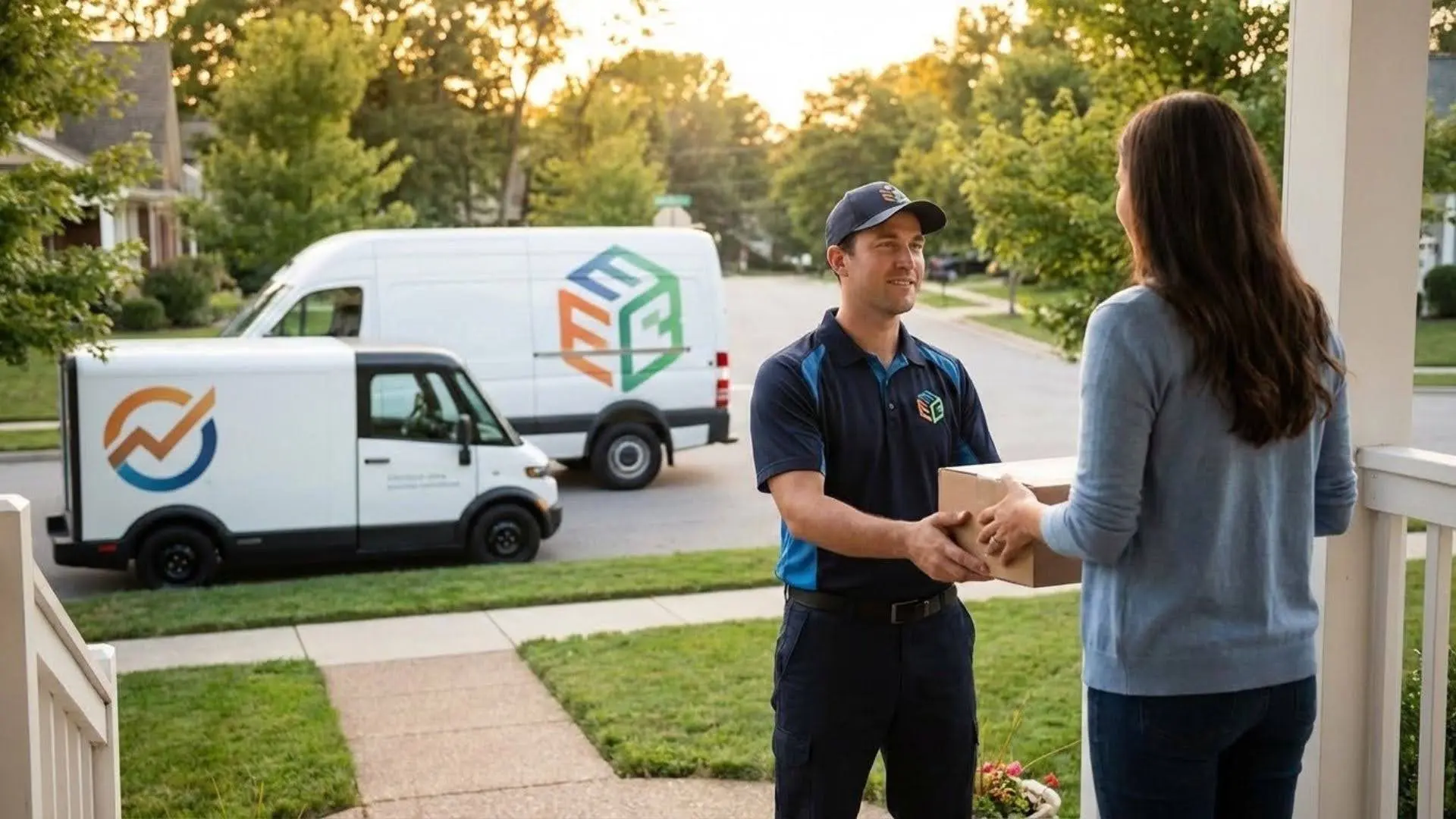
There is a last mile delivery process issue that most in logistics and delivery understand.
It's when a customer places an order, everything is humming along just fine through the warehouse, and then it hits that final stretch from the distribution center to the doorstep.
That last mile is where costs get out of hand, delays start to creep in, and buyer satisfaction hangs fragilely in the balance.
Which is where logistics partnerships come in. By teaming up with 3PL providers, specialized delivery services, and technology platforms, you can extend your delivery reach without breaking the bank on new fleets, warehouses, or headcount.
When done right, these cooperations turn last-mile headaches into genuine competitive advantages.
Why Do You Need a Partner for Last-Mile Success?
Last mile delivery services are tough to get right without a reliable partner that has the necessary final mile delivery solutions like a transportation hub and efficient delivery routes.
It's no secret why the biggest names in e-commerce and retail don't try to do it all themselves. Partnering with established fleet management and logistics providers gives you instant access to networks, technology, and operational expertise that would take years, and a serious budget, to build from scratch.
But it's not only about making things easier. There are three core forces driving businesses toward collaborative last-mile strategies:
When the Going Gets Tough, Go With a Scalable Delivery Process
Your order volumes aren't going to stay flat. In economic downturns or slow seasons, a 3PL partnership lets you scale back quickly without getting stuck paying for idle vehicles and drivers.
And when growth kicks in, you can expand your delivery footprint without breaking the bank on new fleets or facilities while still meeting customer expectations.
Such flexibility is especially valuable during those volatile order spikes: whether it's a flash sale, holiday rush, or a sudden regional surge in orders.
Turning Cost Efficiency Into Real Savings
Shared infrastructure and variable pricing models mean you're not shouldering the full burden of delivery costs alone.
Many modern 3PL providers are now using AI-powered route optimization and predictive analytics to deliver real efficiency gains through dynamic routing alone.
When you combine that with lower vehicle wear, lower fuel consumption, and fewer failed deliveries, the savings really start to add up fast.
Reaching Customers in Hard-to-Reach Places
Getting customers in dense urban areas is one thing. But getting to rural regions or cross-border markets is an entirely different ball game.
Partnerships give you access to delivery networks that already cover those harder-to-reach zones.
In the US, for example, expanded USPS partnerships are finally opening up last-mile access for 3PLs and retailers in low-density areas where standalone delivery operations just aren't cost-effective.
What Do Reliable Last-Mile Delivery Logistics Partnerships Deliver?
Beyond the obvious reach extension, well-structured partnerships will actually improve the way your entire delivery operation works.
Here are the key benefits, and why they matter for your bottom line and your customers.
Flexibility and Adjustment: the Keys to Last-Mile Delivery Success
The most effective last-mile operations today are using hybrid fleet models, combining in-house drivers, 3PL capacity, gig workers, and crowdsourced delivery in a single coordinated system.
Partnerships make this possible.
- Handle same-day delivery demands without breaking the bank on a permanent, oversized fleet.
- Shift capacity between regions according to real-time order patterns.
- Avoid the fixed costs that come with owning every vehicle and engaging every driver.
This kind of flexibility is what separates businesses that thrive during peak periods from those that scramble and disappoint customers.
Integrating IT for a Smoother Delivery Experience
Modern logistics partnerships aren't simply about adding more vans on the road. The real value often sits in the tech layer. Partners with strong platforms bring instant tracking, AI-driven route optimization, GPS visibility, RFID, and automated dispatching into your operation.
- Route optimization cuts delivery times.
- Instant tracking gives your team and your customers visibility into every delivery.
- Automated dispatching removes manual bottlenecks and speeds things up.
When your partner's tech stack integrates cleanly with your own systems (think transport management systems, order management platforms, and customer communication tools), the result is a smoother, faster, more transparent delivery experience.
Delivering a Better Customer Experience
At the end of the day, last-mile delivery is where your brand meets the customer face to face. A good logistics partner understands this.
The best ones offer brand-trained drivers, live tracking notifications, and secure handling protocols that reflect your standards, not just theirs.
This is where partnerships start to pay dividends you can actually feel in customer retention metrics.
Mitigating Risk and Building Resilience
Relying on a single delivery provider or a single fleet is a real vulnerability.
Having multi-provider setups in different regions cuts down on your reliance on any one partner and gives you built-in redundancy.
Reaching Rural and National Customers Isn't as Tough as It Used to Be
Traditionally, expanding into rural areas has been super expensive and operationally complex.
But evolving postal partnerships are totally changing the game.
These cooperations make it cheaper to reach rural and suburban customers, creating stable and affordable delivery options where there used to be nothing.
This is a revolution for organisations wanting to serve a national customer base without having to build out a national fleet.
How Emerging Trends Are Shaping Logistics Partnerships in 2026 and Beyond
The logistics partnership landscape isn't static. Here's what's leading the next wave of collaboration.
Hybrid Fleet Models Are Quickly Becoming the Norm
More businesses are mixing their own fleets with 3PL capacity and crowdsourced drivers.
The key to making these combined models work is a centralized transport management system (TMS) that handles routing, dispatching, and performance analytics across all fleet types in one go.
Without that central layer of visibility, hybrid schemes create chaos instead of flexibility.
Postal Services Are Starting to Play a Bigger Role
In the US, the Postmaster General's push to monetise postal infrastructure is creating new partnership opportunities.
Retailers and 3PLs are getting access to same day and next day delivery through USPS's massive network, especially in areas where private carriers don't have a strong presence.
This is a trend worth keeping an eye on if you're a business with national delivery ambitions.
Technology Platforms Are Getting a Whole Lot Smarter
AI and machine learning models now adjust in real-time to traffic patterns, weather disruptions, and last-minute order changes.
The businesses that employ these tools (either directly or through their logistics partners) get a measurable edge in delivery speed, reliability, and cost control.
Building Logistics Partnerships That Actually Deliver
Not all partnerships are created equal. Here's how to set yours up for lasting success.
1. Choose Providers That Get What You're About
Don't just look at price. The right logistics partner has a tech-forward platform, vetted and trained drivers, and the ability to integrate fluidly with your existing systems.
Most importantly, they should share your allegiance to customer experience and managerial excellence.
A cheap provider who damages your brand reputation at the doorstep isn't saving you anything.
2. Make Onboarding and Integration a Priority
The faster a new partner can plug into your workflows, the sooner you'll see results.
Platforms with high integration rates and simple onboarding processes (like those that offer API-first connectivity) ensure day-one performance rather than weeks of back-and-forth setup.
3. Diversify Your Partner Mix
Don't put all your deliveries in one basket. Use multiple 3PLs across different regions or service types to manage risk, maintain leverage on rates, and ensure you always have capacity when you need it.
- Assign partners based on their geographic strengths or according to last mile delivery solutions.
- Use different providers for different delivery speeds, often dependent on your shipping process.
- Consistently review performance to ensure each partner is pulling their weight.
4. Keep a Close Eye on Performance and Make Changes as Required
Partnerships aren't a set-it-and-forget-it thing. Use dashboards and analytics to track delivery performance in real time.
Metrics to keep an eye on include on-time delivery rates, cost per delivery, failed delivery percentages, and customer approval scores.
When you spot underperformance, address it quickly. When you see a partner excelling, think about expanding their role. The data should drive the decisions.
Frequently Asked Questions
How do logistics partnerships cut down on last-mile delivery costs?
Partners share the same infrastructure, vehicles and tech across all their clients, which means costs are spread out. AI-powered route optimization and dynamic dispatching also knock down fuel usage, driver hours and failed deliveries. As a result, some providers have seen a marked boost in efficiency.
Are logistics partnerships just for the big guys?
No way. Small and mid-sized businesses are actually often the ones who benefit most because these cooperations give them access to high end delivery networks and technology for a fraction of the cost of doing it themselves.
What do I look for in a last-mile delivery supply chain partner?
First off, you want to look at how well integrated their tech is (real time tracking, optimizing routes, proof of delivery), then you want to look at the quality of their drivers, and where they can actually send your packages on your behalf. Also a shared focus on customer experience is huge. And don't forget flexible pricing and a good process for getting new customers up and running, you'll need those things too.
Ready to Get Your Delivery Reach Into High Gear?
Logistics partnerships may be one of the smartest moves a business can make if they want better last mile logistics and higher customer satisfaction.
The fact is you need to partner: it's just a matter of whether you're partnering with the right providers, with the appropriate tech, and with the proper approach to make it all work.
Want a closer look at just how much difference route optimization and real time tracking can make to your last mile delivery partnerships? Have one of our logistics experts take a look at your operation and see if they can spot some quick wins for your drivers.
Related Articles
Training Logistics Teams for High-Speed Fulfillment
Where training speeds up logistics fulfillment: receiving, picking, shipping and systems, plus building a safety-first culture and hand-offs that really work.

Closing the Warehouse to Last-Mile Gap
Why warehouse and last-mile delivery teams end up in silos, what real integration looks like, and how automation and a delivery management system close the gap.