Why Dense Cities and Rural Routes Need New Last-Mile Delivery Strategies
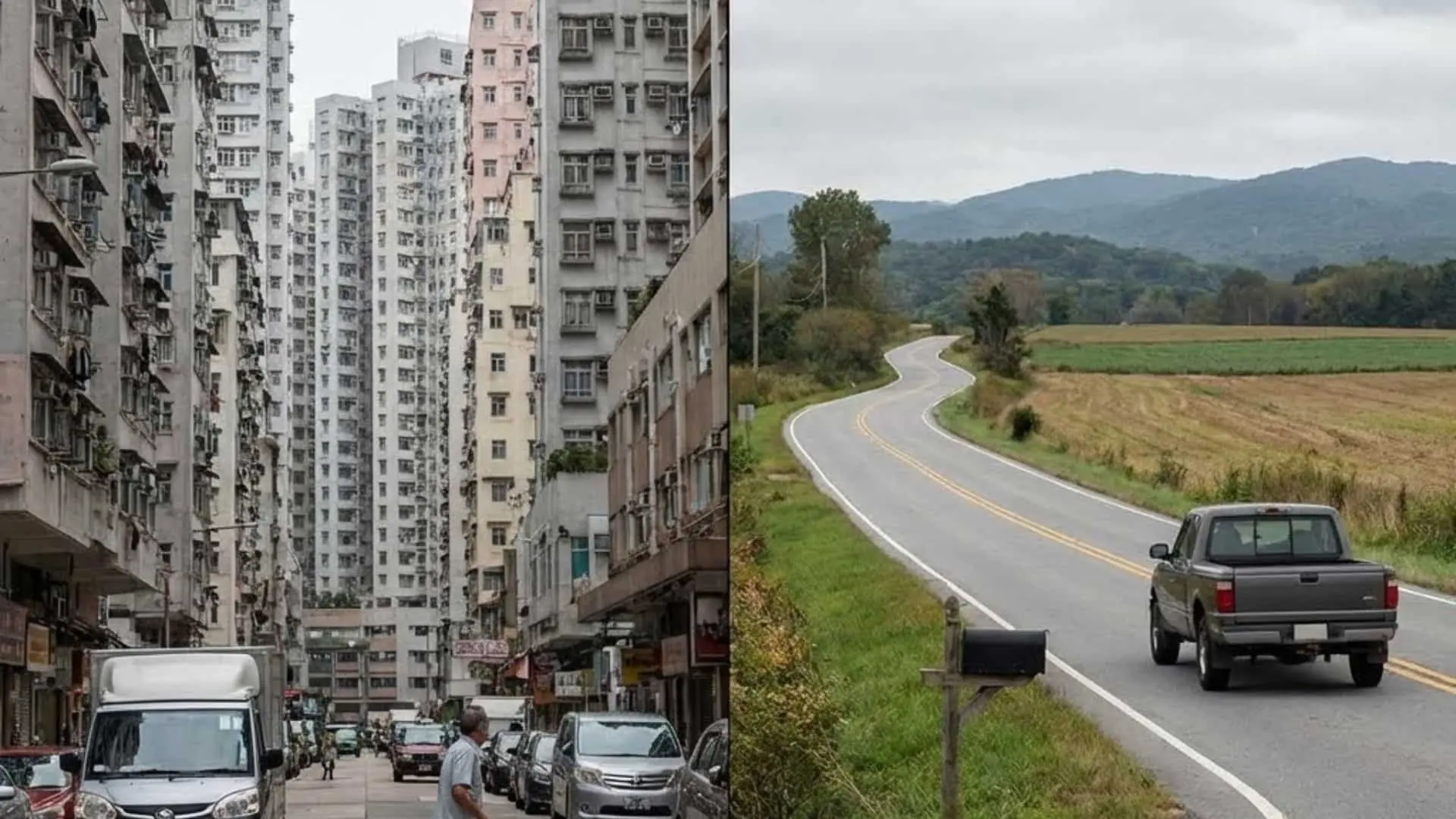
If you manage last mile deliveries across both metro areas and regional zones, you already know the frustration: what works brilliantly in Sydney's inner west completely falls apart on a run through outback Queensland.
The stop density is different, the roads are different, the customer expectations are different, and frankly, the economics barely resemble one another.
Last-mile delivery is the final leg from a distribution centre to the customer's door. It's also the most expensive and complex part of the supply chain, often accounting for over 50% of total shipping costs.
But here's the thing most operators get wrong: they try to apply a single delivery playbook across wildly different environments.
Dense urban routes and sprawling rural ones aren't just variations on a theme. They're fundamentally different problems that demand fundamentally different solutions.
Let's break down exactly why, and what you can do about it.
What Makes Urban Last-Mile Delivery So Challenging?
Dense cities seem like they should be a delivery paradise, as customers are packed into tight grids and the distance between stops is minimal.
In reality, urban delivery represents a masterclass in friction in which each logical efficiency is undermined by the physical constraints of the environment.
The Core Urban Hurdles
Traffic congestion remains a primary drain on resources, with drivers in Australian metro areas now losing an average of 33 minutes daily to gridlock, which means a significant portion of a shift is spent effectively standing still.
Limited parking represents a genuine operational headache, commonly causing delivery vehicles to spend up to 28% of their total trip time simply circling the block to find a legal spot.
Elevated operational costs further erode margins as fuel, tolls, and vehicle wear all compound in stop-start city driving, pushing the cost per delivery up even as physical distances remain short.
Space constraints such as narrow streets and shared loading zones mean every drop-off takes longer than it should, particularly in apartment buildings with restricted ground-floor access.
The irony of urban delivery is that high drop density should drive massive efficiency for your fleet. Instead, a two-minute parking hunt at every stop adds up to over an hour of lost productivity every single day.
Strategies That Actually Work in Dense Cities
Urban last-mile success comes down to one principle: maximise the value of every minute a driver is on the road.
That means smarter routing, smaller vehicles, and creative infrastructure.
Dynamic Route Optimisation
Static route planning doesn't cut it in cities. Traffic conditions shift constantly, and a road that's clear at 8 a.m. might be gridlocked by 8:15.
Real-time route optimisation software recalculates paths on the fly, using live traffic data, predictive algorithms, and stop clustering to shave time and fuel off every run.
Rather than relying on a driver's local knowledge (which is valuable but unfortunately limited), the software continuously adjusts to conditions on the ground, making sure the sequence of stops makes sense not just geographically, but temporally.
Micro-Distribution Hubs
Some of the smartest urban logistics operators have stopped trying to push large vehicles into city centres altogether.
Instead, they stage inventory at small warehouses or micro-hubs on the urban fringe, then use e-bikes, cargo bikes, or scooters for the final leg.
These smaller vehicles can use bike lanes, skip traffic, and park almost anywhere.
UPS has trialled this approach in Hamburg and New York, using parked trucks as mobile hubs that feed a fleet of cargo bikes. Amazon has partnered with bus depots in Paris for similar staging.
The model works because it decouples the long-haul trunk movement from the last-mile delivery itself.
What Makes Rural Last-Mile Delivery a Completely Different Beast?
If urban delivery is a puzzle of too many obstacles in too little space, rural delivery is the opposite problem: too much space with too few customers.
The economics of the Australian interior flip the model entirely, demanding a level of grit that a metro fleet simply never encounters.
The Core Rural Hurdles
Low delivery density is the primary profit killer, as a rural driver might cover great distances to reach just one or two stops, compared to the 30-plus drops achievable in an urban setting.
Long distances between drops stretch routes across hundreds of kilometres, meaning fuel costs and driver hours eat into margins far faster than any city-based operation.
Poor road conditions including unsealed tracks and seasonal flooding make regional routes notoriously unpredictable, especially when GPS coordinates fail to match the reality of the terrain.
Limited infrastructure means there are no parcel lockers on every corner and no micro-hubs to lean on, regularly paired with a total lack of mobile data for instant tracking.
The real challenge needing overcoming is that the tools and facilities advancing urban logistics simply do not exist in the bush. You cannot deploy a cargo bike or an electric van when the nearest customer is 40 kilometres away at the end of a corrugated dirt road.
Strategies That Work for Rural and Regional Routes
Rural last-mile success depends on a different principle: build delivery around local relationships and existing community infrastructure.
Where urban strategies lean on tech and density, rural strategies lean on people and adaptability.
Local Agent Partnerships
One of the most effective rural delivery models involves partnering with local agents, whether that's a general store owner, a community figure, or a dedicated local driver who knows the area intimately.
These agents can receive, hold, and distribute packages within their community, acting as informal micro-hubs without the capital investment.
Frontier Markets, for example, built a network of 35,000 women agents across rural India who help customers place orders via an app and coordinate local delivery.
Jumia uses third-party drivers embedded in local communities to reach customers that national courier networks can't.
Mobile and Semi-Mobile Sales Agents
In areas where demand is thin but consistent, full-time agents who take predictable routes can serve repeat customers on a regular schedule.
This model works particularly well for essential goods and recurring orders. Over time, as demand in a specific area grows, the model can transition from door-to-door agents to permanent local retail points.
Nutri'zaza used exactly this approach, starting with door-to-door delivery before shifting to a retail model once customer volumes justified it.
Smart Route Planning for Sparse Networks
Even in rural settings, route optimisation plays a central role, though the priorities shift.
Instead of avoiding traffic, the software needs to minimise total distance, account for road quality, and ensure drivers aren't backtracking across long stretches.
Live tracking through the Locate2u Driver App also matters here, perhaps even more than in cities.
When a customer is waiting at a remote property for a delivery that might arrive any time within a four-hour window, live ETA updates and Proof of Delivery confirmation make an appreciable difference to their experience.
How to Audit Your Own Last-Mile Strategy
If you're running deliveries across mixed environments, here are some practical questions to evaluate your approach:
- Are you using the same routing logic for metro and regional runs? If so, you're likely over-optimising for one at the expense of the other.
- Do your rural drivers have the tools to communicate ETAs to customers? Silence erodes trust faster in areas where deliveries are less frequent.
- Have you explored local partnerships for regional delivery? A general store owner who holds packages could dramatically improve your first-attempt success rate.
- Are you tracking cost per delivery separately for urban and rural routes? Blended averages hide the real economics of each.
- Is your technology platform flexible enough to handle both? You shouldn't need two separate systems to manage two different delivery realities.
Frequently Asked Questions
Why is last-mile delivery more expensive in rural areas?
Low delivery density is the primary driver. When a driver covers long distances to reach just one or two customers, the fuel, time, and labour costs per delivery are significantly higher than in cities where dozens of stops can be completed in the same timeframe.
What is a micro-distribution hub?
A micro-distribution hub is a small, strategically placed warehouse or staging area, often on the edge of a city centre. Goods are transported there in bulk by larger vehicles, then distributed for final delivery using smaller vehicles like cargo bikes or e-scooters that are able to navigate dense urban streets more easily.
Can route optimisation software work for rural deliveries?
Yes. While urban route optimisation focuses heavily on traffic avoidance and stop clustering, rural route optimisation prioritises minimising total distance, accounting for road quality, and sequencing sparse stops efficiently. The same platform can handle both, provided it's built with flexibility in mind.
What is a PUDO network?
PUDO stands for Pick-Up and Drop-Off. These are networks of secure parcel lockers or appointed collection points (such as convenience stores) where customers can collect their deliveries at a time that suits them. They're especially effective in urban areas for reducing failed delivery attempts.
Build a Last-Mile Strategy That Fits Your Reality
The most effective delivery operations don't treat every route the same.
They recognise that a driver navigating peak-hour Brisbane traffic and a driver covering 200 kilometres of regional roads are solving completely different problems, and they equip both with the right tools and strategies to succeed.
Whether you're optimising for urban density or rural reach, the right technology platform makes it possible to manage both from a single system without sacrificing either.
Ready to optimise your last-mile strategy? Request access to see how Locate2u can help.
Related Articles
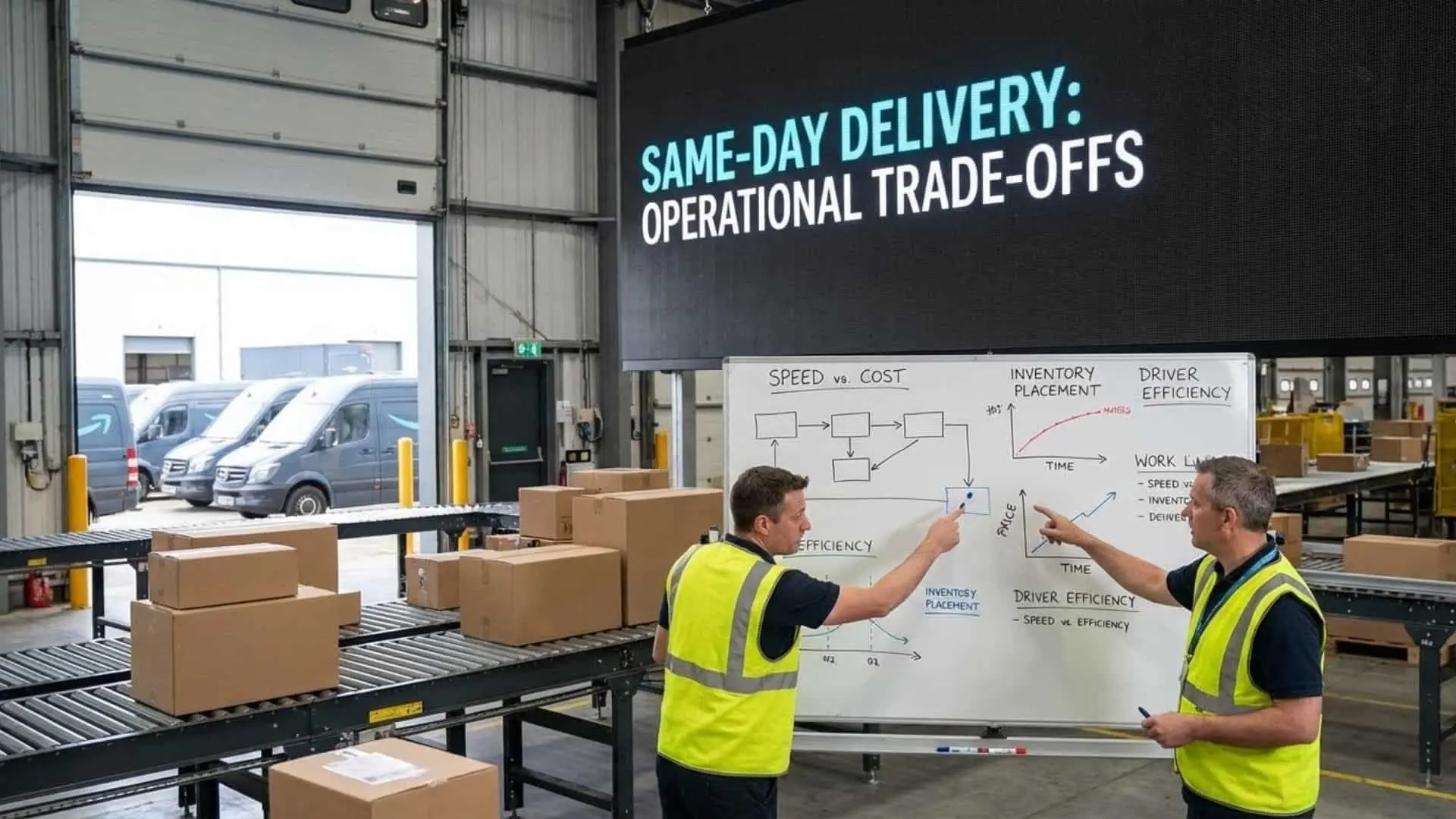
The Operational Trade-Offs Behind Same-Day Delivery
Same-day delivery is an absolute essential for most companies. But here's what rarely makes it into the marketing copy: delivering on that promise involves a web of operational trade-offs that can make or break your margins, your fleet, and your customer relationships...

The Real Math Behind Multi-Vehicle Route Planning
If you manage a fleet of more than a handful of vehicles, you've probably had this thought: "There has to be a smarter way to plan all these routes." You're right. And the math behind it is fascinating...
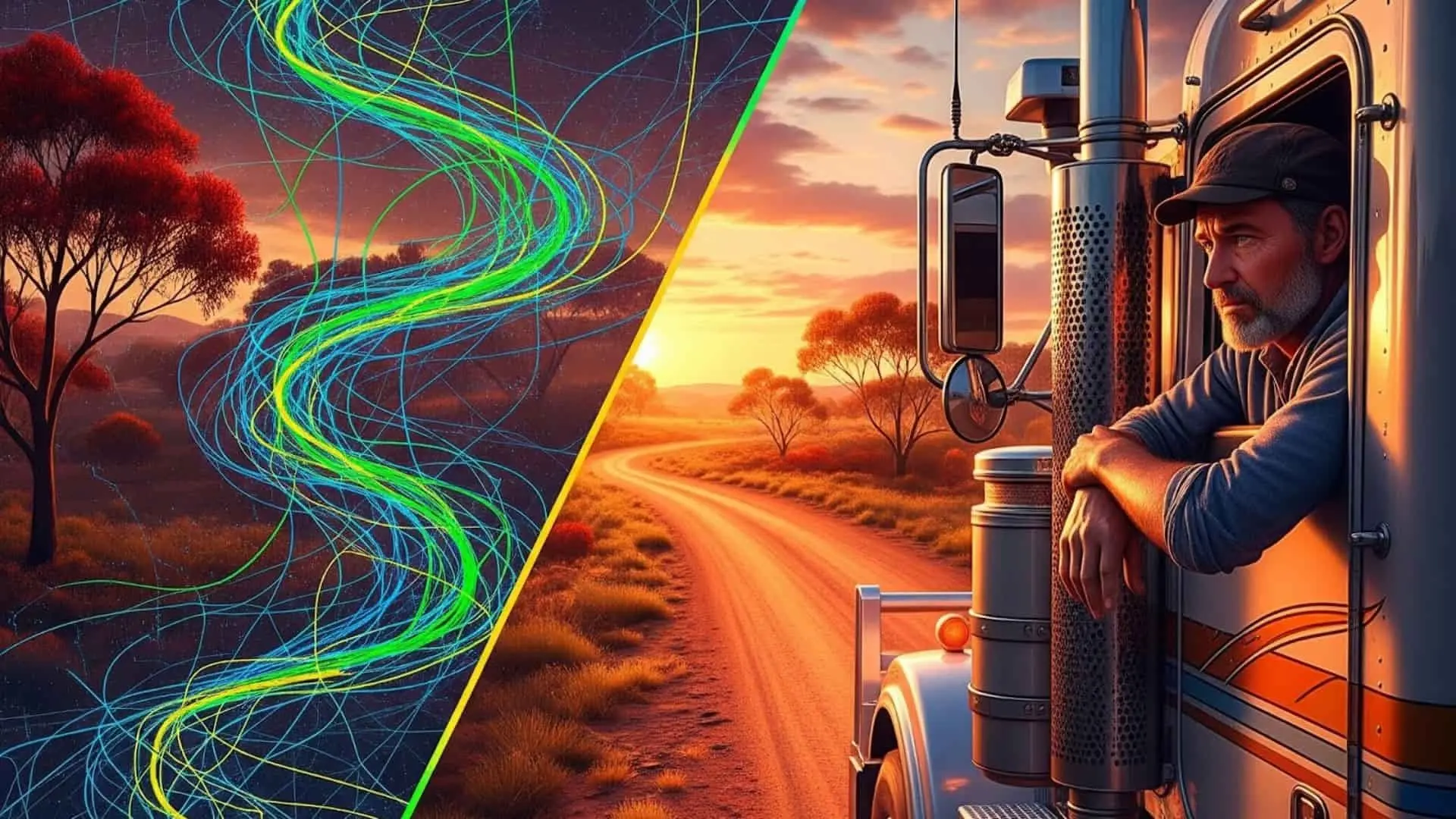
When Route Optimization Conflicts With Driver Experience
Your route optimization software says the job should take eight hours. Your driver says it took eleven. The algorithm insists the sequence is perfect. The driver insists it's unworkable. Sound familiar?...