Why Driver Routing Decisions Still Matter in Automated Fleets
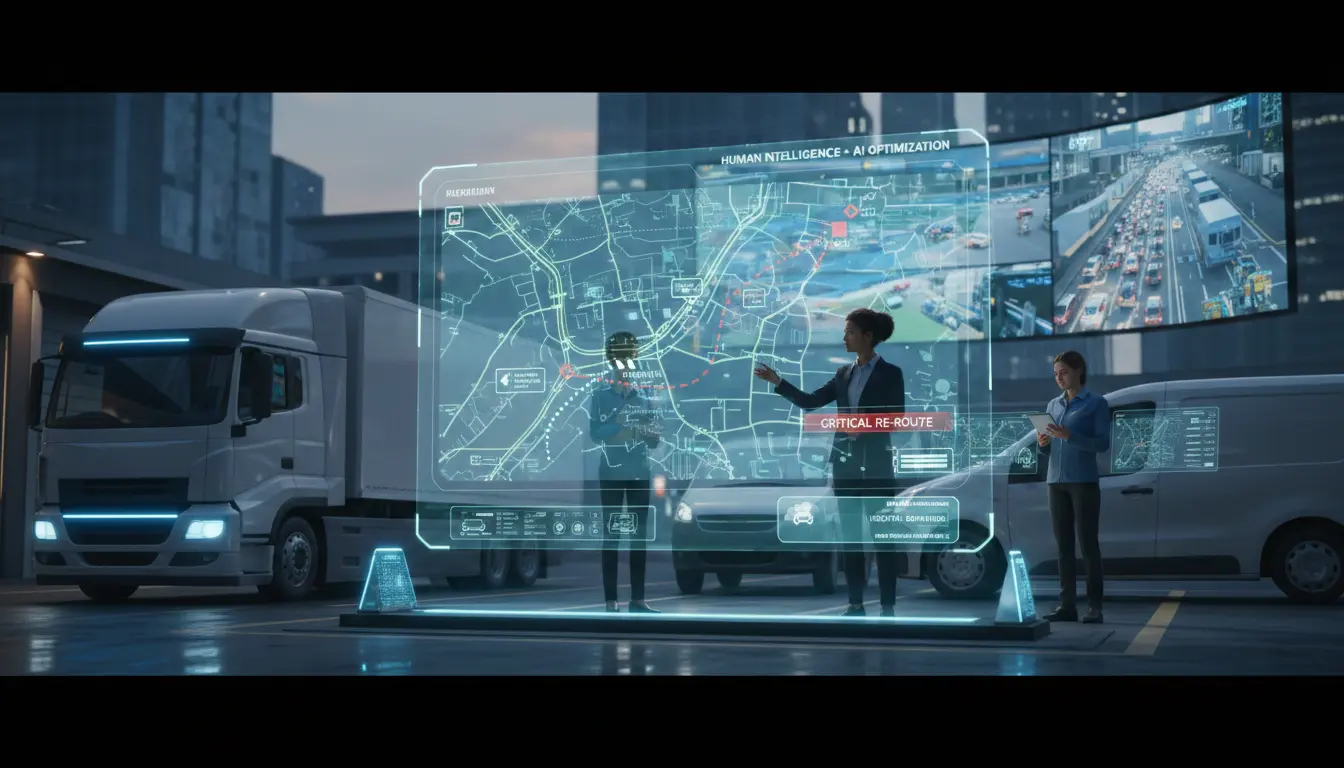
You've invested in route planning software. Your dispatch is automated. The fleet dashboard shows real-time GPS data and perfectly calculated ETAs for every driver, every stop, every address on the list.
So why does your most experienced driver keep departing from the suggested route — and somehow still arrive on time?
Because algorithms, however sophisticated, don't drive trucks. People do.
And right now, with automation reshaping how fleets operate, the routing decisions your drivers make on the ground remain one of the most underrated factors in delivery performance, safety, and whether customers actually come back.
The best-performing fleets aren't choosing between automated precision and driver judgment. They're combining both deliberately. Here's why that matters — and how to do it well.
The Growth of Automation in Fleet Routing
There's no question that automation has changed what's possible in fleet management.
Route optimisation tools, AI-powered dispatch systems, and live tracking have given logistics operators a level of control and visibility that would have been unthinkable a decade ago.
Modern dispatch automation goes well beyond static planning. It reschedules routes dynamically when new orders come in, factoring in live traffic, vehicle availability, driver hours, and delivery windows.
The best systems do all of this while still letting a human dispatcher review and approve changes before they go live — which is a design choice worth paying attention to.
What Automation Does Well
Route optimization cuts idle time and reduces vehicle wear, which translates directly into lower operating costs.
Instant tracking provides precise ETAs, increases first-attempt delivery success rates, and reduces the customer service calls that eat up everyone's day.
For drivers, automation eases the administrative burden — less paperwork, fewer disruptions, more predictable schedules. In an industry battling chronic driver shortages, that matters more than most operators acknowledge.
Scalability is another genuine advantage. Once configured, automated routing handles fleet growth without requiring proportional increases in planning staff.
You can add multiple stops, expand into multiple locations, and manage multiple destinations across a wider geographic area without the planning overhead multiplying alongside it.
These are real gains. But here's the thing: as of 2026, most "automated" fleet systems are built to support human drivers, not replace them.
Full autonomy in commercial trucking and delivery remains limited. The technology augments decision-making rather than eliminating the need for it. And that distinction matters more than most fleet operators realise.
Why Human Decisions Persist as an Essential Layer
Automation excels at processing data — traffic feeds, weather patterns, delivery constraints, historical road performance.
What it struggles with is the unpredictable, messy reality of actual roads, actual loading docks, and actual customer doorsteps.
Drivers Fill That Gap Every Single Day
When a road closure appears that hasn't been reported yet, a driver navigates around it before the map data has caught up.
When a sudden storm makes a particular stretch unsafe, a driver makes the call — not the algorithm.
When a construction crew blocks access to a delivery point with no detour in the system, an experienced driver who knows the area finds the best route through anyway.
Real-time route generation helps, but there's always a lag between what's happening on the road and what the system knows about it. A seasoned driver operating in familiar territory can respond faster than any software update.
Customer Contacts and Last-Mile Nuances
This is where the human element becomes most visible to the people who actually pay the bills.
Last-mile delivery is full of exceptions. Incorrect addresses. Gated communities with access codes that change weekly. A customer who calls ahead to ask that their delivery be left with a neighbour. A commercial stop where the loading dock is occupied and the driver needs to negotiate an alternative drop point on the spot.
Route optimisation can sequence stops efficiently and find the quickest route between them, but once a driver arrives at the door, human insight takes over entirely.
Verifying proof of delivery, managing access issues, prioritising an urgent stop over a routine one, being genuinely courteous in a face-to-face interaction — these are the moments that determine whether a customer orders from you again.
No algorithm handles a confused elderly customer the way a thoughtful driver can. No automated system resolves a proof-of-delivery discrepancy with the same nuance as a person standing right there.
Mitigating Automation's Knowledge Gaps
One of the persistent risks in fleet operations is the institutional knowledge that lives inside people's heads rather than inside systems.
Automation solves part of this by codifying routing logic into software — routes, stop sequences, time windows, and address data all get captured and preserved. But it doesn't solve all of it.
Experienced drivers and dispatchers carry contextual knowledge that's genuinely hard to programme. Which customers are lenient on timing and which will escalate immediately. Which streets flood in heavy rain. Which vehicle types struggle with specific dock configurations. When to jump a stop on the plan because a time-sensitive delivery is at risk.
Fleets still need human expertise to model network expansions, adjust algorithmic preferences for special operational constraints, and fine-tune the system parameters that determine whether a suggested route is actually the best route in practice.
The software provides the framework. People provide the calibration.
Where Automation and Human Insight Create the Most Value Together
- Data-driven efficiency (up to 30% cost reductions)
- Adaptive judgment (real-time hazard avoidance)
- Optimised routes with safe, reliable execution
- Scalability for growing fleets
- Compliance and safety overrides
- Reduced downtime (20–30%) with fewer incidents
- Predictive scheduling and dynamic rerouting
- Customer-facing flexibility and problem-solving
- Higher on-time delivery rates and better satisfaction
The fleets that perform best aren't the ones with the most sophisticated software or the most seasoned drivers in isolation. They're the ones where technology and people reinforce each other.
The software handles the heavy computational work — optimising sequences, predicting delays, managing constraints across hundreds of stops across multiple locations in a single day.
The driver handles everything the software can't see, touch, or empathise with.
What This Means for Route Planning
Don't treat route optimisation as a set-and-forget tool. The best results come when drivers can flag issues, propose adjustments, and provide feedback that improves the system over time.
When a driver consistently deviates from a suggested route for legitimate reasons, that's map data your system should learn from. Build the mechanism to capture it.
Invest in driver empowerment, not just driver monitoring. Live tracking, proof of delivery, and driver apps should make drivers' decisions better-informed, not just create a surveillance layer. There's a real difference between those two approaches, and drivers notice it.
Think carefully about the last-mile moment. You can automate the planning, optimise the driving sequence, and find the quickest route between every stop on the list. But train and support your drivers for the customer-facing interactions at the end of that journey — because those interactions are where loyalty is actually won or lost.
Plan for the hybrid model. Full fleet autonomy isn't around the corner. The winning strategy for the foreseeable future is AI handling the planning, and humans handling the execution.
The Future: Humans + Automation = Resilient Fleets
Driver routing decisions matter because they bridge automation's precision with human responsiveness — and that bridge is load-bearing, particularly amid ongoing driver shortages and the operational complexity of transitioning to electric vehicles on existing road infrastructure.
Fleets that adopt a blended approach consistently achieve the strongest return on investment. Lower costs, better driver retention, more reliable service.
The ones that try to remove the human element entirely tend to find out the hard way that the real world doesn't cooperate with purely algorithmic thinking. A plan is only as good as the person executing it.
The goal isn't to replace your drivers' judgment. It's to give them better tools so that judgment has maximum impact.
Ready to empower your drivers with smarter tools? Request access to see how Locate2u combines automated route planning with driver-friendly execution.
Frequently Asked Questions
Can route optimisation software completely replace human driver decisions?
Not yet, and not for the foreseeable future. Route planning software handles data-heavy optimisation tasks extremely well, but drivers remain essential for managing unforeseen road conditions, maintaining safety compliance, and handling the customer interactions that happen at the point of delivery.
How much can automated routing reduce fleet operating costs?
Fleets using advanced route optimisation typically see fuel savings of 10–15%, maintenance cost reductions of 8–12%, and overall operational cost savings of up to 30%. These figures improve further when drivers are equipped to execute those optimised routes effectively on the ground.
What role do drivers play in last-mile delivery success?
Drivers handle the exceptions that automation can't anticipate — verifying addresses, managing access issues, resolving proof-of-delivery discrepancies, and providing the face-to-face professionalism that shapes customer perception. Their decisions at the doorstep directly influence satisfaction and repeat business.
How can fleet managers balance automation with driver autonomy?
Use automation for route planning, scheduling, and real-time adjustments. Give drivers the tools and authority to adapt when conditions on the road demand it. Build feedback loops so driver insights improve the system over time. That cycle of continuous improvement is where the real competitive edge lives.
Related Articles
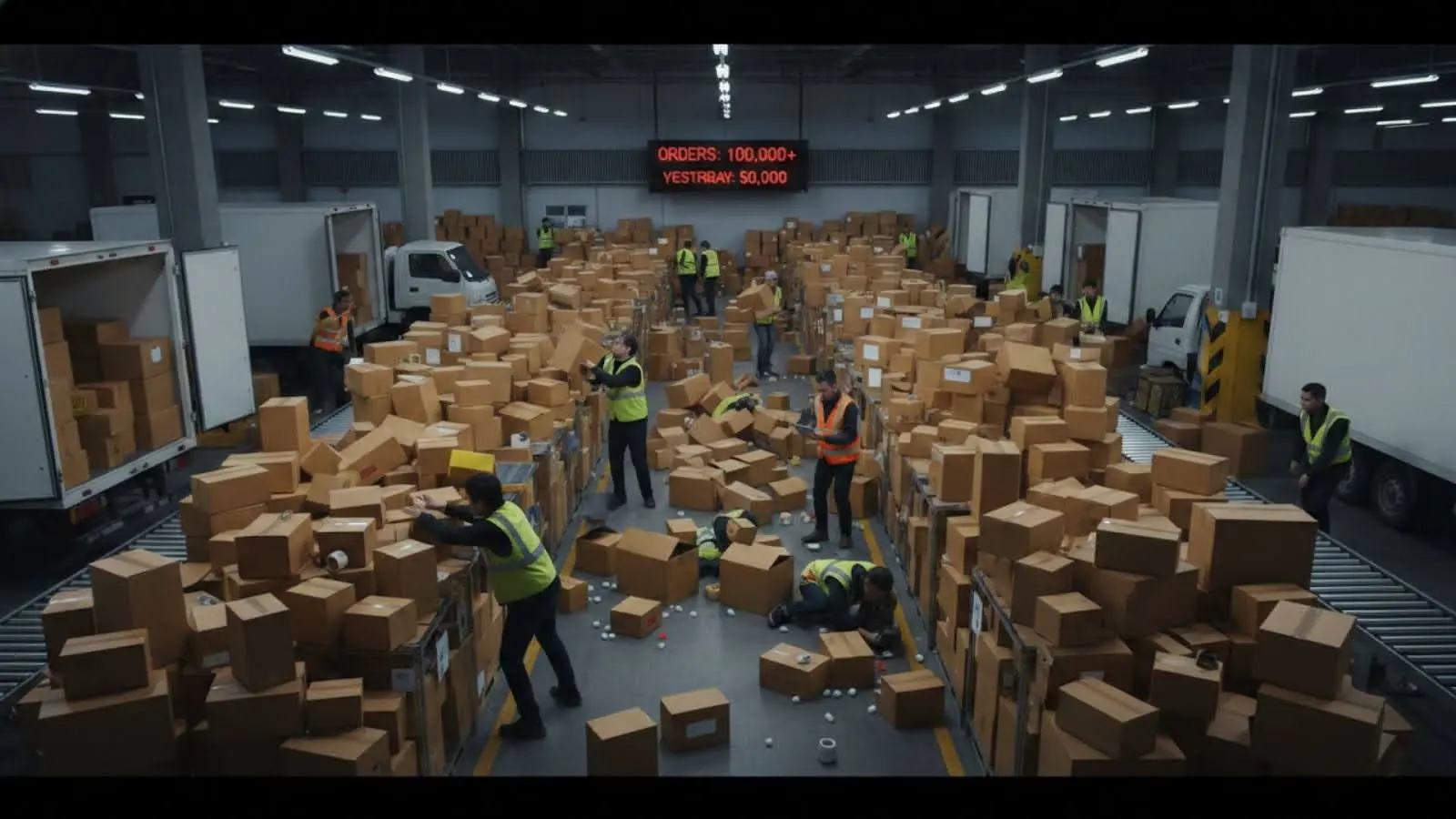
What Happens to a Delivery Operation When Order Volumes Double Overnight?
One day, everything is running smoothly. Orders are flowing in at a predictable rate, your drivers are covering their routes without drama. Then, seemingly out of nowhere, your order volume doubles...
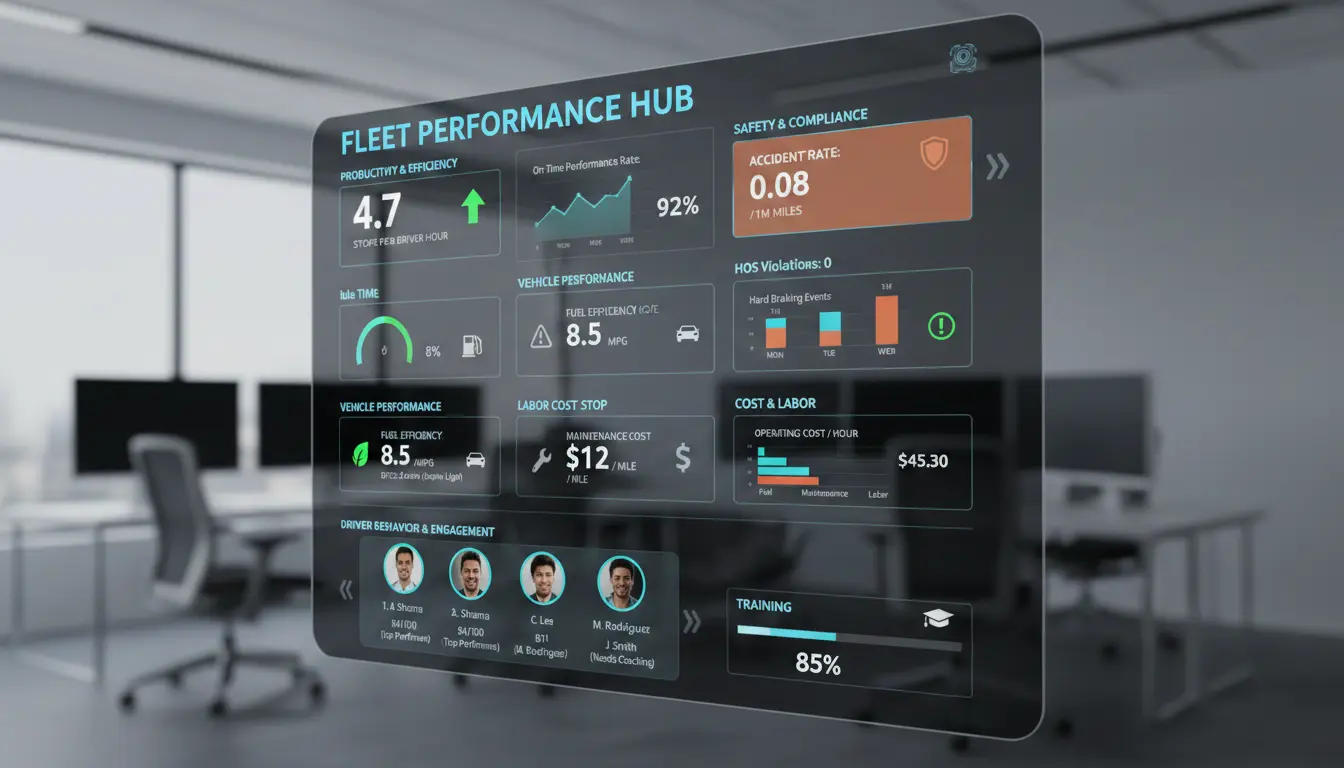
The Most Overlooked Fleet Metric: Stops Per Driver Hour
You're tracking fuel costs. Idle time is on the dashboard. You've got data on cost per mile, vehicle utilisation, maintenance schedules — the whole lot. And yet your fleet operations still feel like they're leaving something on the table...
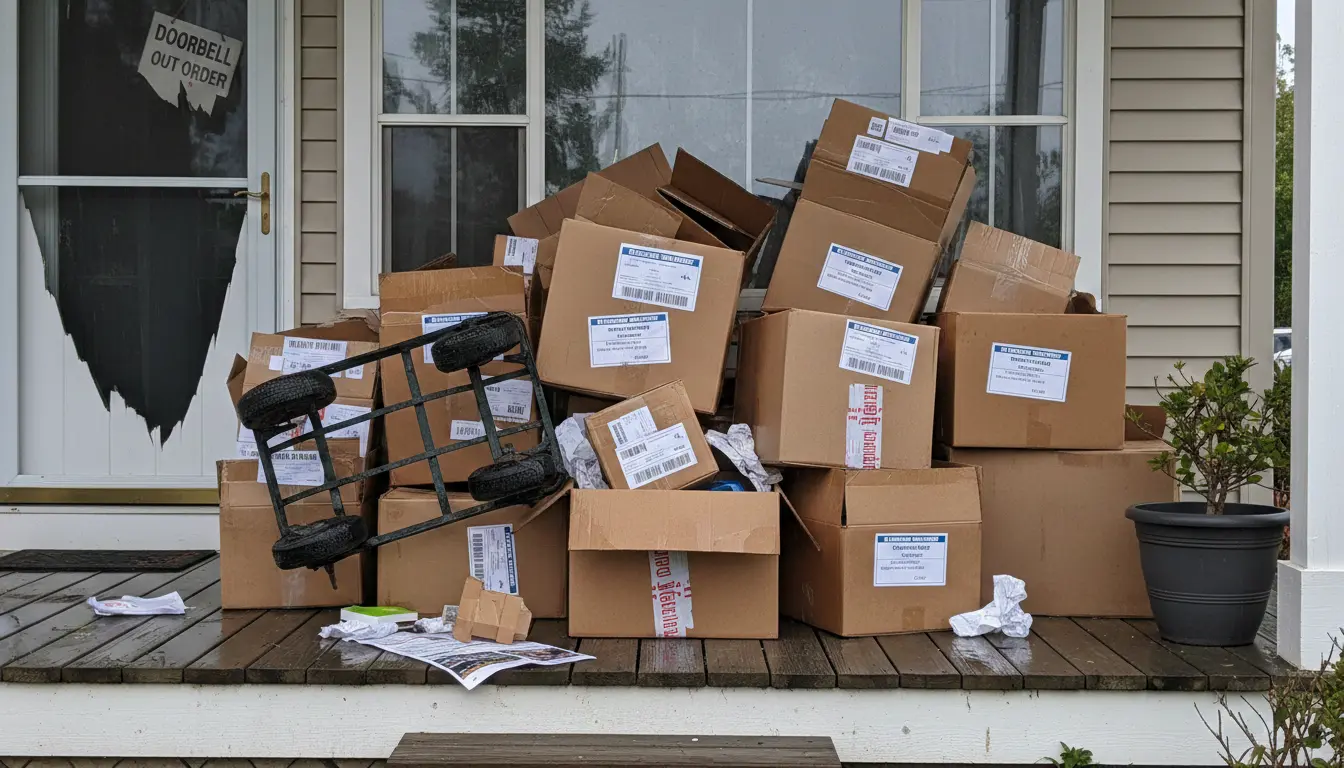
What Actually Causes Failed Deliveries And How Logistics Teams Reduce Them
Failed deliveries are one of those problems that can feel impossible to pin down because the causes are scattered across the entire supply chain. But here's the thing: most of them are preventable...