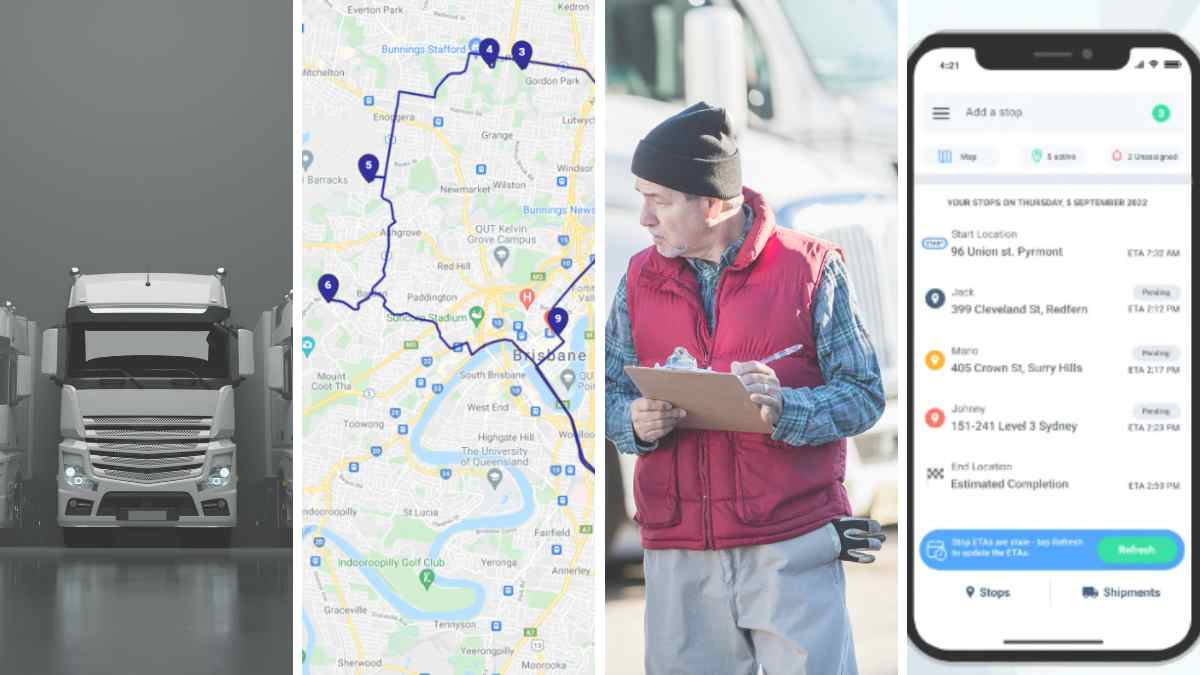
Whether you run a small or large business, keeping tabs on drivers, fuel costs, and maintenance may feel overwhelming, but it is necessary, especially if you have a fleet of delivery drivers.
Investing in a fleet management system gives you a better view of your fleet operations to optimise routes, make informed decisions, and increase your fleet efficiency.
This intelligent management system provides fleet management solutions for businesses to cut costs and improve driver safety.
One of the main benefits of fleet management is improved operational efficiency through an improved delivery service, which in turn ensures customer satisfaction and loyalty towards your small business.

What is a Fleet Management System and How Does It Work?
A Fleet Management System refers to a digital system or application that helps you monitor, manage, and optimise your fleet operations during delivery.
The management system integrates applications such as vehicle tracking, GPS tracking, vehicle diagnostics, driver behaviour and fuel management all in one platform.
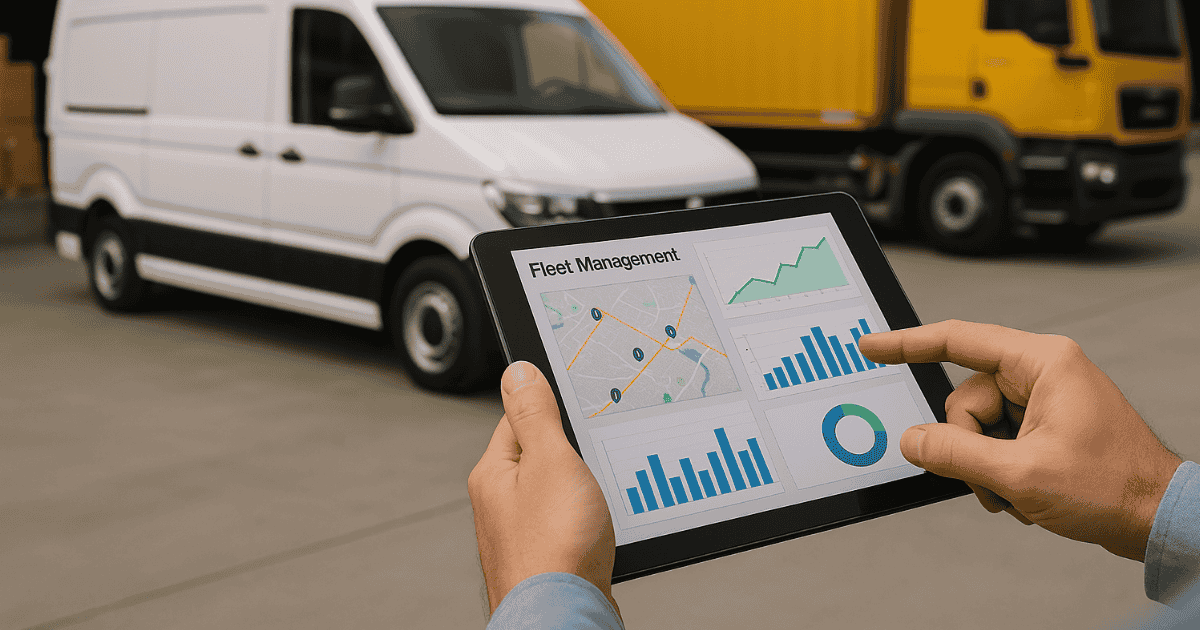
Fleet management software allows fleet managers to access real-time data concerning their vehicle fleets, including the following:
- Vehicle locations.
- Fuel Consumption, along with monitoring driver behaviour.
- Vehicle maintenance schedules.
- Driver Performance.
The management system allows fleet managers to make fast and efficient decisions to improve efficiency concerning vehicles, drivers and operations for seamless control across your business.
The Benefits of Fleet Management for Deliveries in Small Businesses
For anyone running a fleet-based business, especially with delivery vehicles, a fleet management system can significantly enhance fleet performance and benefit both large and small businesses.
1. Fleet Management Software Enhances Visibility
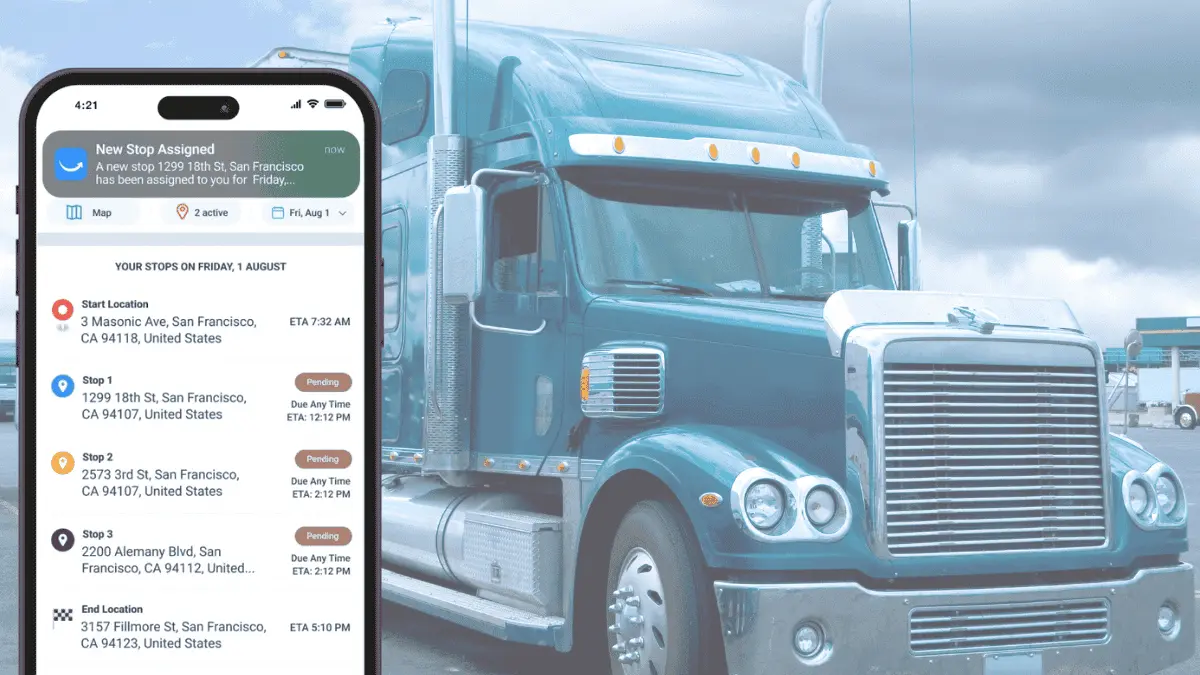
With fleet management software, you have visibility over your entire fleet of commercial vehicles and delivery vehicles. You can track vehicle locations, monitor driver hours, and receive alerts on vehicle health and maintenance schedules.
The real-time data allows fleet managers to act proactively and access data instantly to enhance operational efficiency and make informed decisions that improve overall fleet efficiency.
2. Effective Fleet Management Improves Fuel Efficiency
Fuel costs make up a significant proportion of operational costs, especially for delivery businesses and small businesses. Therefore, a fleet management system helps to reduce costs and fuel consumption through efficient route planning and monitoring driver behaviour.
The system allows you to detect fuel usage anomalies and track fuel usage. It also identifies vehicles with poor fuel usage and higher fuel consumption to reduce fuel costs across your fleet vehicles and help reduce fuel consumption overall.
3. Better Vehicle Maintenance for Cost Reduction
Timely vehicle maintenance is essential for small businesses to avoid more costly repairs and extend the vehicle’s lifespan. With automated maintenance schedules in the fleet management system, you know when each vehicle requires preventative maintenance.
This helps to prevent any unnecessary repair costs and reduces vehicle downtime to keep your commercial vehicles in top shape and on the road.
4. Enhance Driver Safety and Accountability
The system allows you to promote driver safety by monitoring driver behaviour, which allows you to address unsafe driving habits quickly. These safety tools improve driver performance and allow for more effective fleet management to reduce liabilities.
5. Increases Customer Satisfaction
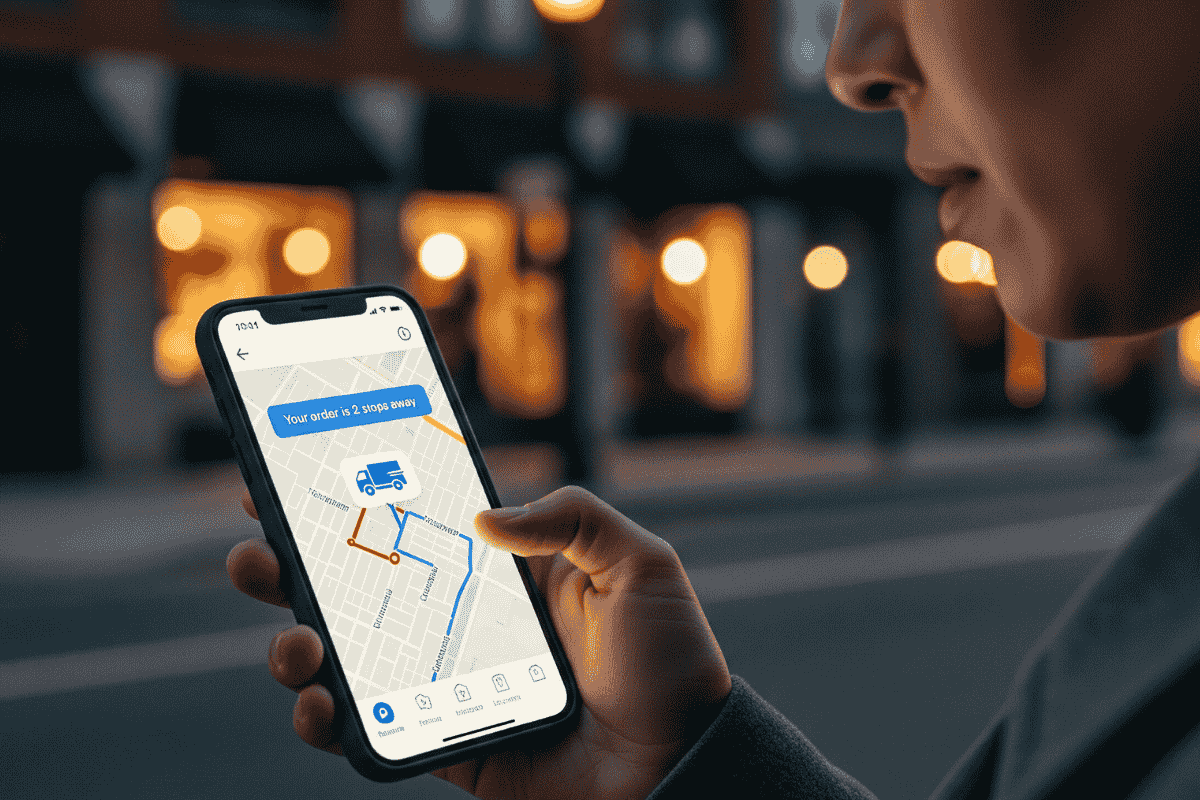
Customers are demanding faster and more efficient delivery, even from small businesses. The fleet management system allows you to provide customers with real-time delivery time updates and estimated delivery times.
Similarly, route optimisation through fleet management improves delivery efficiency and reduces delays, which in turn improves customer satisfaction. These are all the hallmarks of a fleet-based business that ensures customer satisfaction.
6. Cut Costs Effectively
With the right management system in place, your business can reduce breakdowns, lower fuel consumption, and optimise routes to contribute to cost savings.
Improving fleet efficiency through fleet management software offers significant cost savings for small businesses by limiting wasteful practices and optimising profit margins.
7. Manage Fleet Costs with Data Analytics
On the subject of costs, a fleet management system gathers powerful insights for fleet operators into fleet costs, fuel usage, maintenance costs and driver behaviour. This data establishes where you can cut costs by altering routes, refining maintenance routines and retiring inefficient vehicles.
8. Streamlines Operations
With all the aspects, such as asset tracking, route optimisation, and fuel management in your fleet management system, fleet managers can easily streamline operations.
Because effective fleet management allows for a tighter grip on dispatch, job assignments and vehicle health, there are fewer challenges and smoother daily logistics.
9. Long-Term Cost Savings and Return On Investments
Investing in fleet management software upfront pays off in the long run. Cost savings occur through longer vehicle lifespan because of scheduled maintenance, lower fuel costs and avoiding fines when you ensure compliance.
10. Stay Ahead with the Future of Sustainability
Your business can also stay ahead with industry shifts, such as electric vehicles, with a fleet management system.
Similarly, reducing fuel usage lowers greenhouse gas emissions, helping your business demonstrate its eco-friendly practices. This gives your small business a competitive advantage in the market and in the future.
Final Thoughts
Small businesses today require every edge that they can get to ensure optimal fleet operations. The right fleet management system allows you to implement fuel management and monitor driver behaviour for driver safety, while following regulations to stay compliant, and ensuring fast, efficient deliveries to customers.
By embracing fleet management, you reduce inefficiencies that could hold your small business back, and ensure long-term success, higher profits and peace of mind.