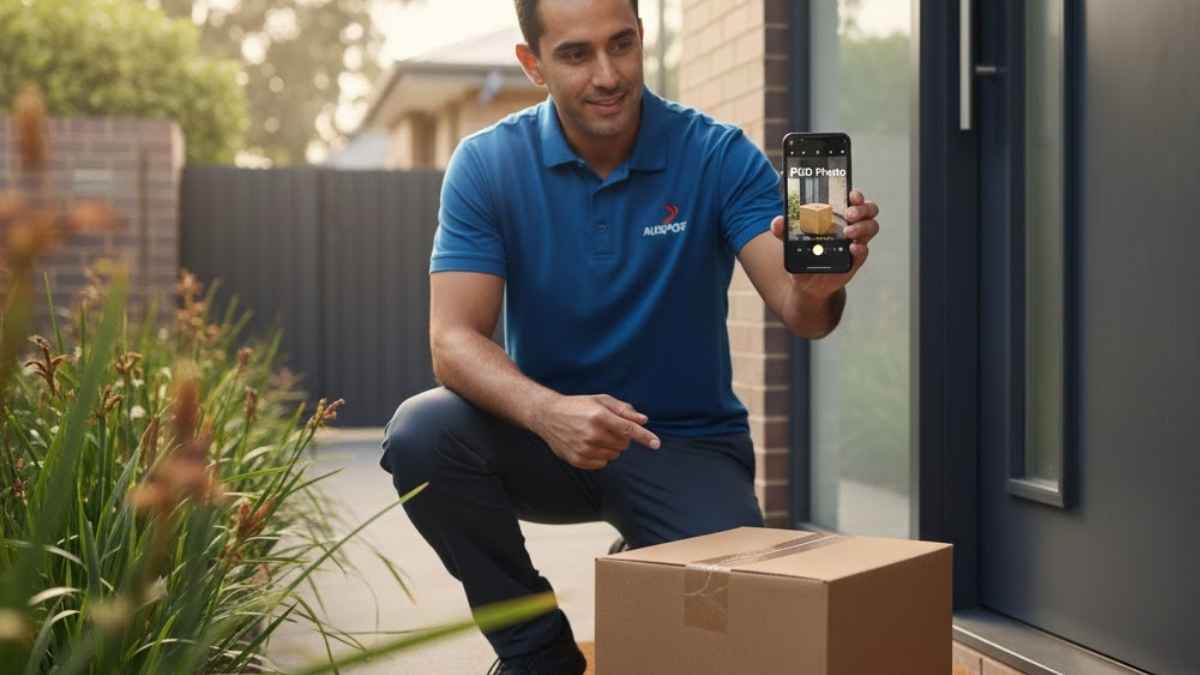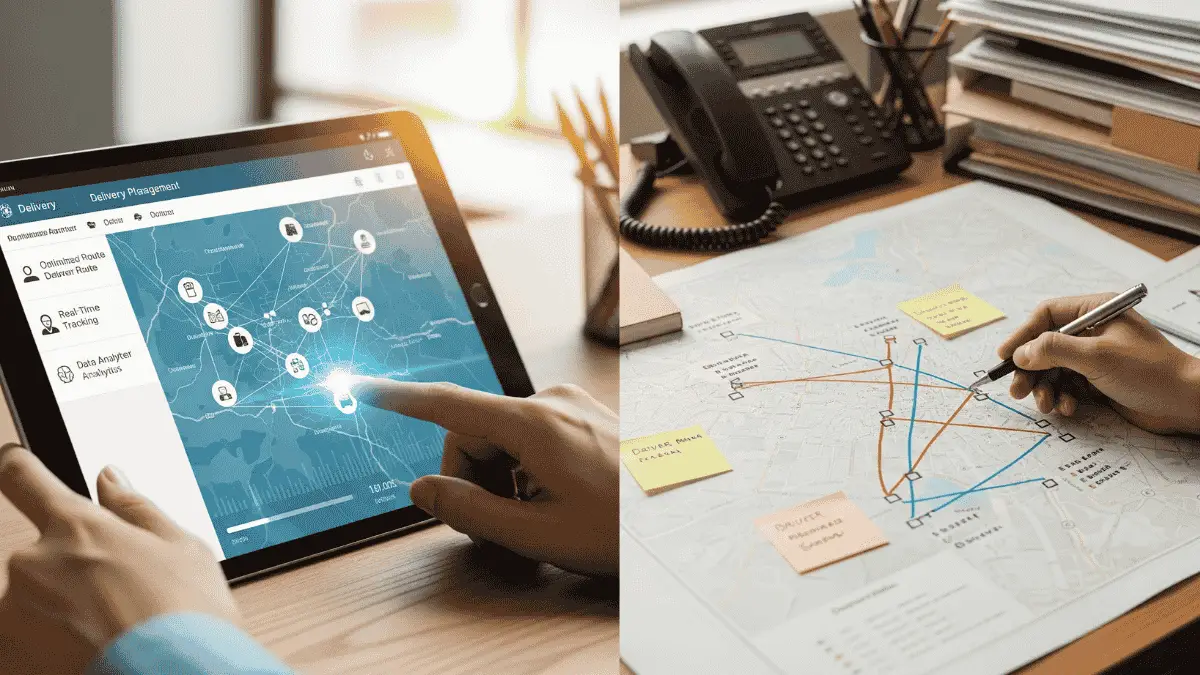
Customers don’t usually leave because your product is bad. They leave because something small but frustrating broke their trust. Delivery is often where that break happens.
Steve Orenstein puts it bluntly in his book Delivery:
“Even if a customer loves your product, one bad experience could send them straight to your competitors.”
That single sentence captures what delivery teams see and experience every day: that the delivery experience is quite literally the last touchpoint in the buying journey.
When it goes wrong, it will be the part customers remember.
Why delivery failures hit harder than product issues
People expect products to work. They also expect delays from time to time. What they do not tolerate well is uncertainty.
When a delivery arrives late with no warning or shows up outside the promised window, it creates anxiety.
And you can see the anxiety kick in when they stop asking “when will it arrive?” and start asking “is something wrong with my order?”
Waiting for a delivery with no ETA feels longer than it actually is. People refresh tracking links, rearrange their day, and start assuming something has gone wrong.
This pattern has also shown up in academic research.
An older study from Nature Communications found that shoppers feel more stressed when outcomes are uncertain than when they know something bad will happen.
It lines up with what we saw in our own delivery survey from June 2025. Across responses, visibility and clear updates mattered more to customers than shaving time off a delivery.

People were far less concerned about whether an order arrived quickly than whether they knew where it was and when it would arrive.
Speed is not the real issue
Uncertainty is.
And that is exactly why fast delivery models like same-day, 3-hour, next-morning, etc, are so popular. It reduces uncertainty.
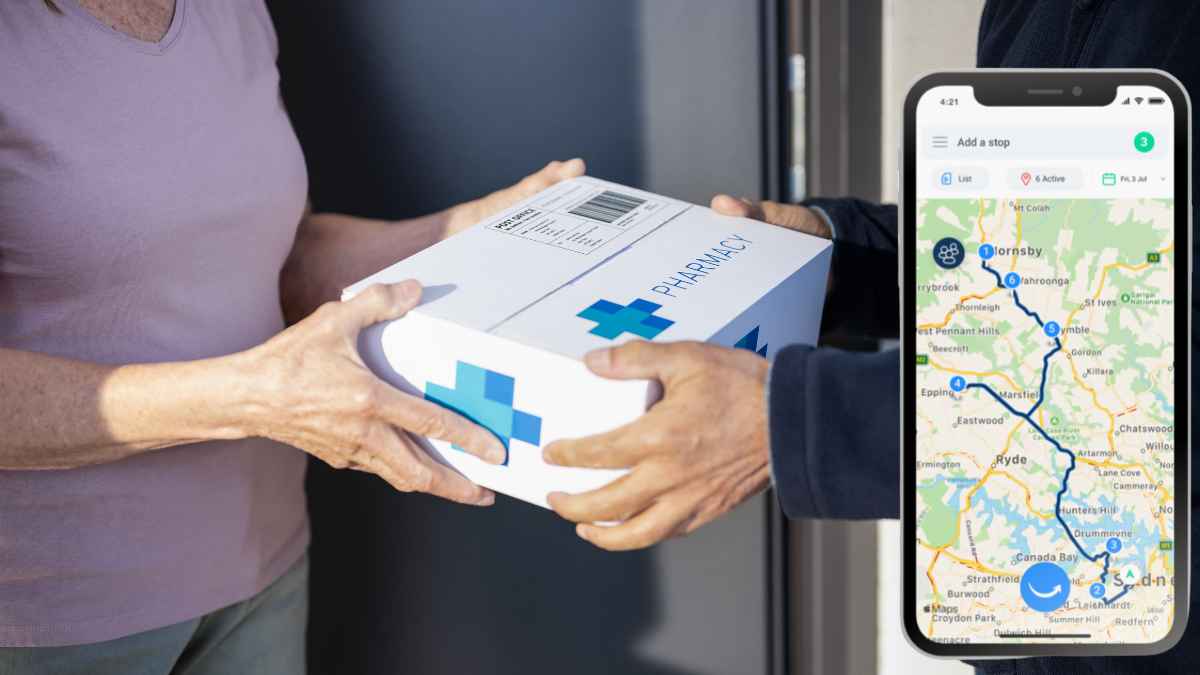
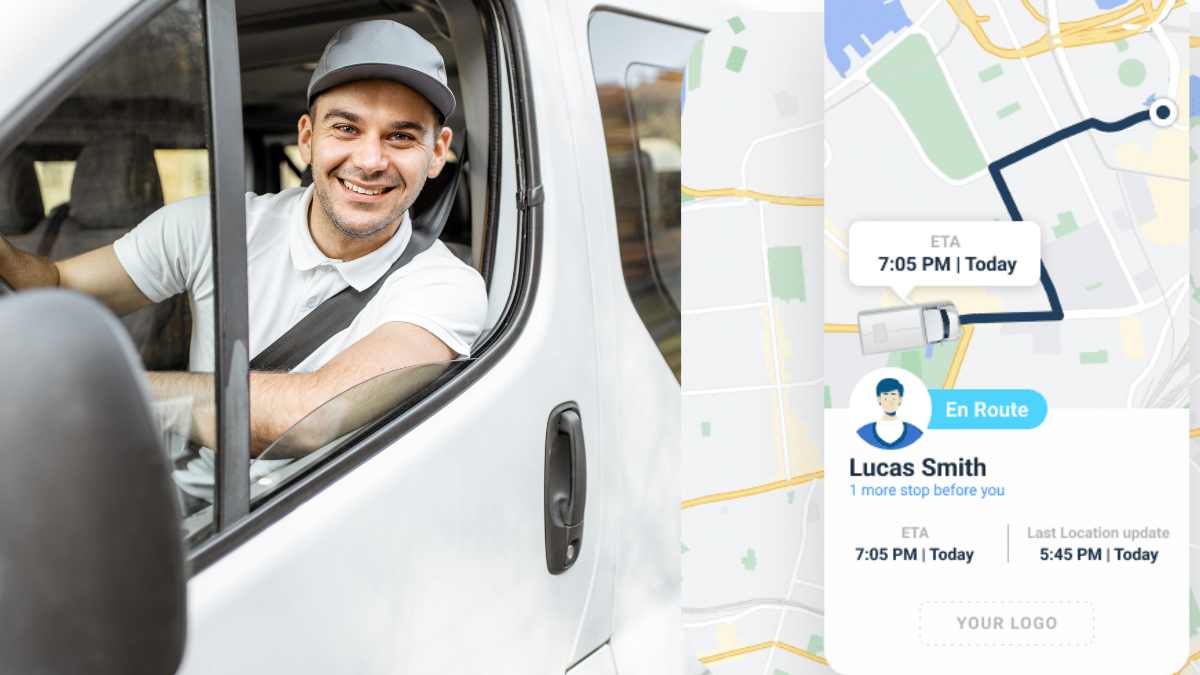
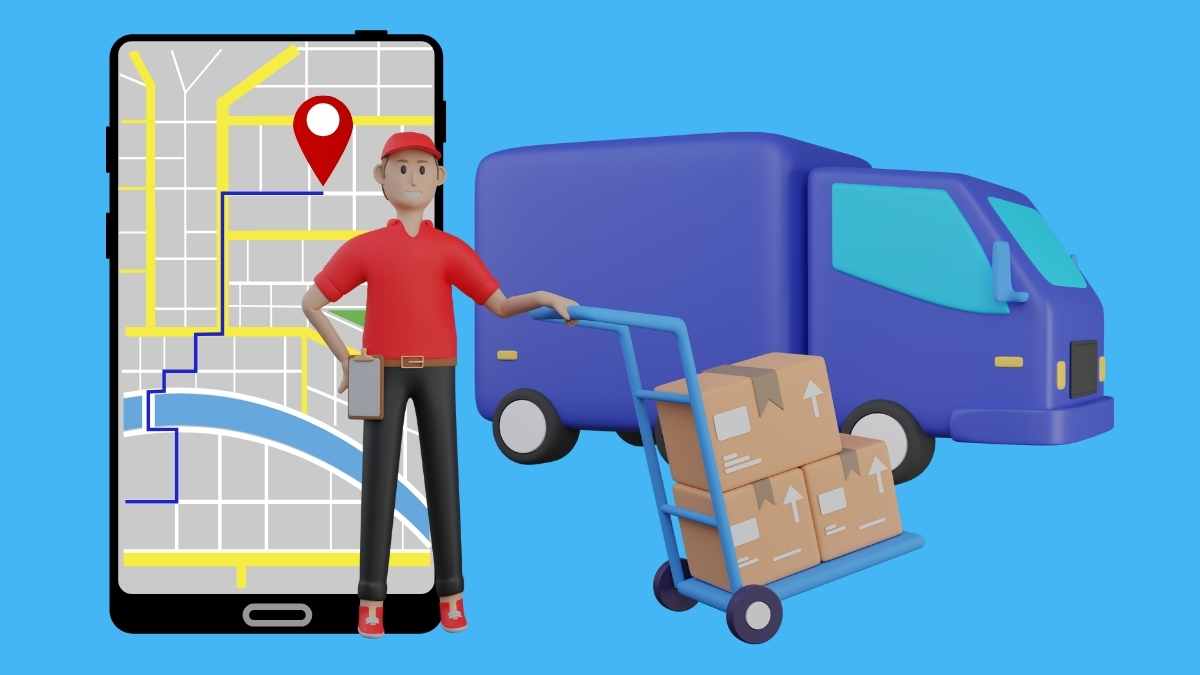
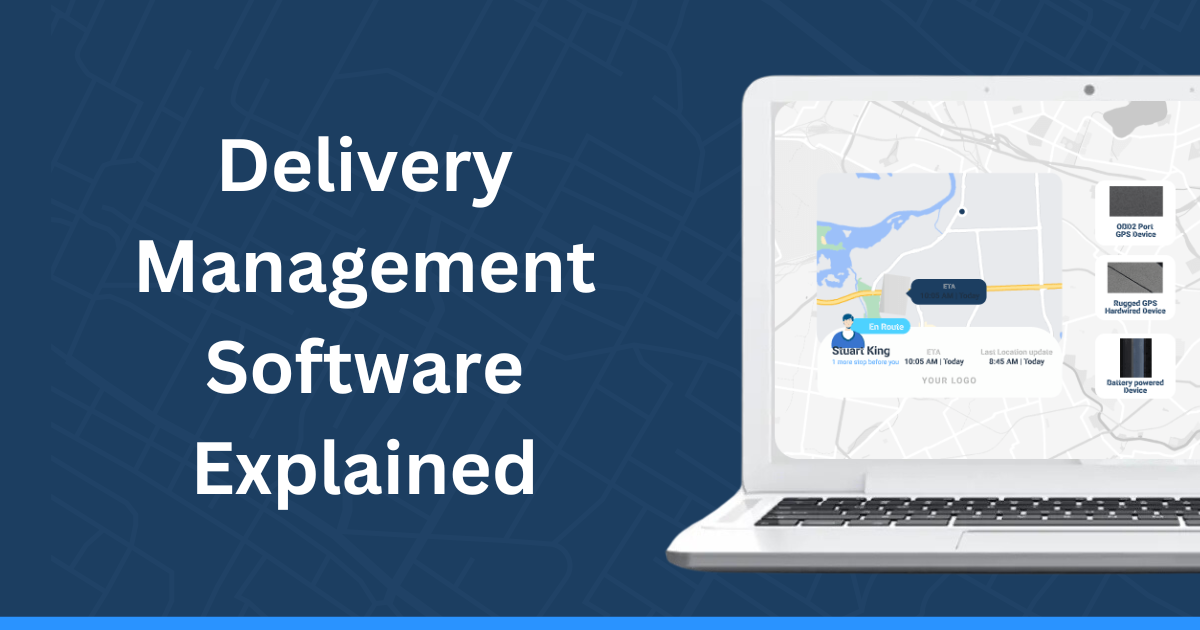
When customers know when their order is coming (especially if they can see the delivery driver’s progress via a live-tracking link on a map), they have control. The ETA is not some big mystery.
But remember: Speed alone isn’t enough. If a delivery is fast but provides no updates, it can still feel like a failure. Customers can still feel out of control.
But if a next-day delivery has accurate ETAs and updates with live GPS tracking, their experience instantly goes from feeling frazzled to feeling trustworthy.
What matters most is how predictable the experience feels to the person waiting.
The hidden cost of one bad delivery
Bad delivery experiences rarely go into “full public name-and-shame” mode. In fact, most customers don’t even complain. They simply take their money and their business elsewhere.
Sometimes they’ll leave bad reviews online, or warn their friends. The word-of-mouth criticism can be just as detrimental.
It goes without saying that this is bad for your business since you lose out on repeat purchases or referrals.
This is why Steve’s warning matters. One bad experience does not just affect one order. It can erase the future value of that customer entirely.
How to turn it around
When a delivery goes wrong, how you handle it matters. How you respond could be the difference between whether the customer feels heard quickly or ignored entirely.
Orenstein points out that delivery will never be perfectly predictable. There will always be exceptions, delays, and human error. So the real risk isn’t that something goes wrong (it will, that’s just how it is.)
The real risk is that the business finds out too late.
When customers can report an issue directly and get a fast, human response, it could flip their bad experience around completely. Simply because you showed up when it mattered.
In practice, this comes back to communication. Giving customers a clear way to raise issues early. And then act on those issues fast to reduce churn and review damage.
“If a customer has had a bad delivery experience, tells us about it, and we’ve quickly responded and fixed the situation, they often go online to write a positive review,” Orenstein says.
In some cases, it even strengthens trust. Customers are far more forgiving when they feel looked after than when they feel ignored.
Why businesses underestimate delivery risk
Many businesses still treat delivery as a cost centre rather than a customer experience function. It is often handed off to operations teams and measured in averages, percentages, and cost per drop.
Orenstein has spoken openly about how customer experience, especially delivery, drives loyalty. When customers have a great experience, they tend to stay loyal.
“And in a crowded market, a customer-focused delivery service can be the key to that great experience.
A five percent failure rate sounds small on a spreadsheet. To the customers affected, it is a hundred percent failure. If those customers are high-value or repeat buyers, the impact is far bigger than the metric suggests.
Delivery is a retention strategy, whether you realise it or not
Customers rarely remember the logistics challenges of receiving their parcel. They remember whether their order arrived when they were told it would.
So think of delivery not as the final step of the process, but rather the final test of their trust in your business. If it fails, they do not usually give second chances.
By the time a customer leaves because of delivery, the cost has already been paid.
So remember:
- Fast delivery satisfies instant-gratification needs while also reducing delivery anxiety.
- Clear updates and communication give customers controls and boost trust in your brand.
NOW READ: Want More 5-Star Reviews? 5 Ways To Fix Your Last Mile Delivery First
About the author
Cheryl has contributed to various international publications, with a fervor for data and technology. She explores the intersection of emerging tech trends with logistics, focusing on how digital innovations are reshaping industries on a global scale. When she's not dissecting the latest developments in AI-driven innovation and digital solutions, Cheryl can be found gaming, kickboxing, or navigating the novel niches of consumer gadgetry.