Failed deliveries hurt your bottom line and your drivers’ motivation. Drivers don’t want to circle back and deal with unclear instructions.
When frustration builds up, drivers must also deal with angry customers. You think that it won’t impact customer service, but over a long period, the stress of making up for failed deliveries trickly down and hurts your bottom line.
Delivery Challenges: Why It Fails
With deliveries demanding to be faster by the day, businesses constantly worry about getting it right and on time according to customer expectations. One of the most common reasons for customer complaints is the failed delivery attempt.
When a delivery attempt fails, mostly due to the recipient not being available at the exact time, it triggers a chain reaction of issues.
Attempting to make a re-delivery increases operational costs and negatively affects customer satisfaction. Nobody wants to wait for hours for their orders; they only lose trust in the brand.
Running your own business means you have to spend more money on resources to get the same parcel delivered to the same area.
The main culprit? Incomplete addresses and unclear delivery instructions. That means businesses need to focus more on capturing accurate information from the start. Verify shipping details and make sure it’s correct on the day of delivery.
If you improve the success rate of first attempt deliveries, you reduce your costs and make customers happy.
Your brand becomes synonymous with reliability and satisfaction.
1. Constant re-deliveries
It’s fine when a delivery fails due to a customer not being available or when they request a re-delivery. However, a delivery attempt failure can occur when packages do not arrive during the scheduled window, leading to additional complications.
When a driver who works efficiently has to waste time and fuel to deliver the same parcel twice, it becomes frustrating.
A failed first attempt can easily double their workload for the day. What you want is clear delivery instructions.
The software you use must allow notifications to be sent to customers to help remind them to be ready during the delivery window, and should offer the ability to schedule delivery slots so packages arrive when customers are available.
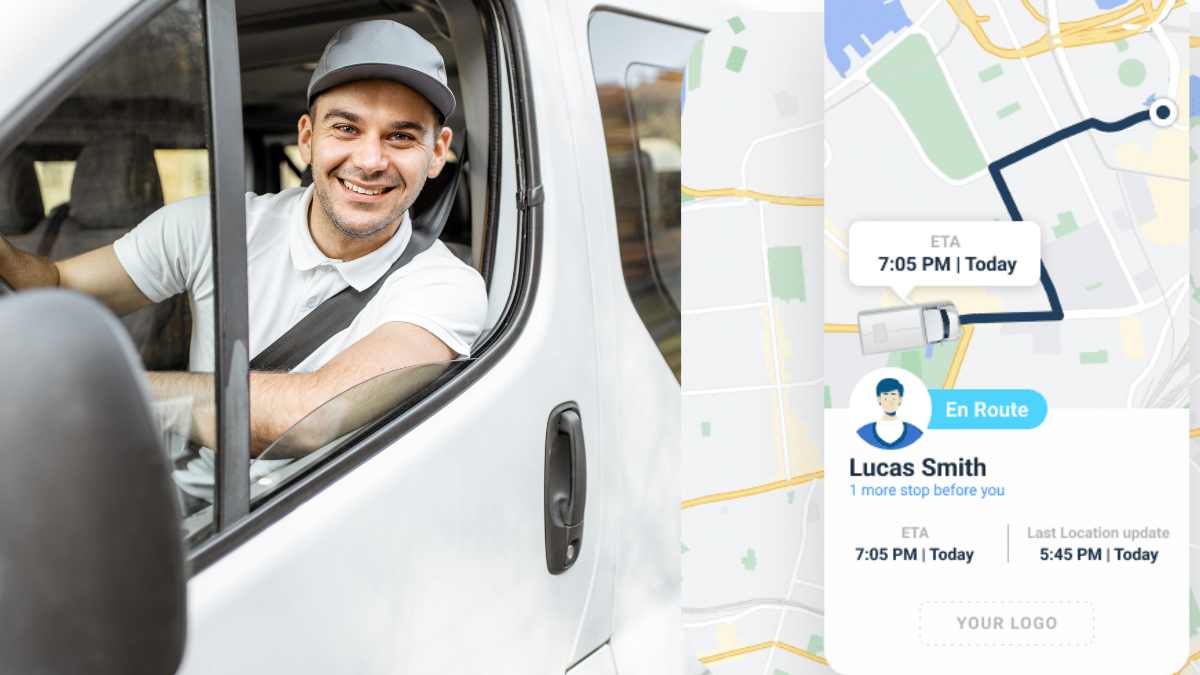
Real-time ETAs and timely messages about delivery status or failed attempts also reduce no-shows.
2. Confusing addresses result in failed deliveries
If you are doing manual route planning, a few address mistakes can easily slip in, leading to failed deliveries. When drivers take the wrong street, suburb, or unit, it messes with the sequence of deliveries.
Ultimately, your business suffers from wasted kilometers that result in higher fuel costs. You can avoid it with route planning software that automates this process and avoids incorrect addresses being captured in the first place.
Integrating address validation tools directly on your site during checkout helps prevent mistakes by ensuring the sender provides accurate and complete address information.
If you use route optimization software with verified address validation and GPS-backed mapping, failed deliveries won’t happen.
Sharing best practices and honest experiences with address validation solutions is essential to help others reduce failed deliveries and improve checkout accuracy.
3. Delivery Location Considerations
Not having all the important clearances and details about the address or complex can slow down and even derail deliveries.
Some residential complexes require access codes and other forms of identification, which can be a huge roadblock on delivery day.
Heavy traffic or poor road conditions also add to the frustration of failing to deliver on time. Think about an office block in the suburbs. With limited parking space, drivers can spend a few minutes idling, not able to make the delivery.
Security is another issue for failed deliveries. Packages can’t be left in unsecure spots in certain areas. It can easily disappear or get damaged.
It’s best that drivers assess the delivery location by providing detailed instructions or alternative drop-off points so there are no failed deliveries.
4. Unrealistic delivery windows cripples same-day deliveries
If your teams don’t have the capacity for same-day delivery, drivers bear the brunt. They tend to rush through routes, skip breaks, and stress over delays.
To make the same-day delivery promise, drivers need the right tools to help them avoid failed deliveries.
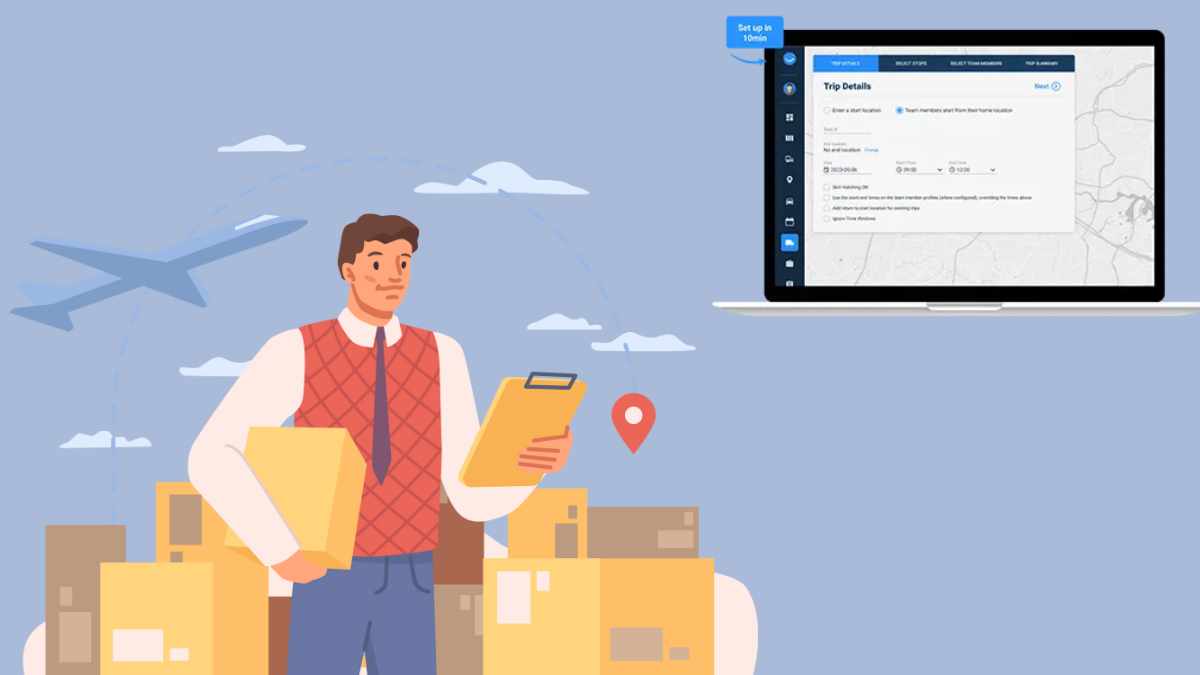
When you automate route planning, the promised time windows will reflect real travel times and traffic data.
5. No real-time communication breaks accurate deliveries
Live support with dispatch teams in the office makes a significant difference in handling the stress of rapidly changing situations while on the road. Small hiccups can result in drivers missing the delivery window, leading to a failed delivery.
Using communication software between dispatchers and drivers, there will be instant two-way messaging, including notes and updates, between the two parties.
Additionally, the ability to quickly contact customers is crucial for resolving delivery issues in real time, such as verifying addresses or arranging redelivery.
6. No proof of delivery creates confusion
When a parcel is not on the porch as promised, drivers are the first to be blamed. However, it’s important to determine whether a delivery failure is the fault of the driver, the customer, or the carrier, as not all issues are the customer’s fault.
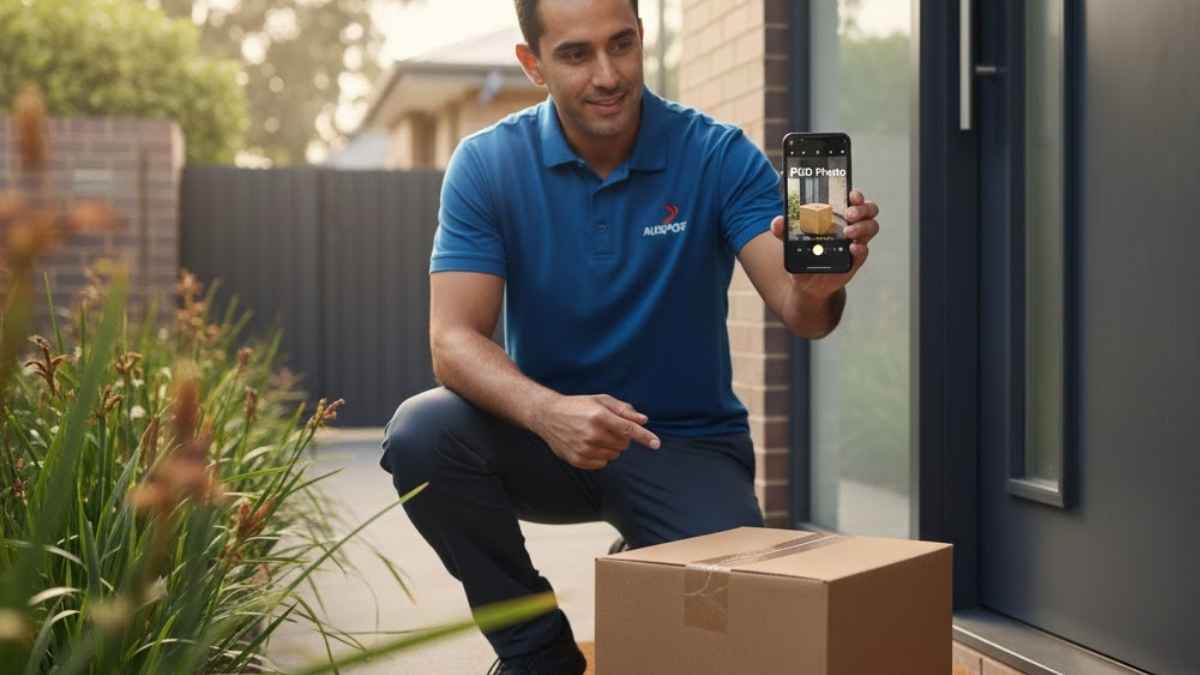
Without solid proof, such as a photo or signature, there is no way a driver can confirm that they made the delivery.
They need records to show they did the job. Providing proof of delivery is a key part of good delivery service, helping businesses capture every drop-off and eliminate any confusion. It’s possible that the delivery was made and someone inside the house has already taken the parcel.
7. Overloaded routes result in failed deliveries
You want to maximize efficiency and load as many stops into one shift. It might look like it’s the best way to grow your business, but it creates anxiety among drivers. The result: they can start taking shortcuts.
Effective logistics management can help balance workloads and prevent failed deliveries by optimizing route planning and resource allocation.
But when the dispatch process is automated, the drivers receive the same number of stops. No more overworking one driver.
No one is forced to work overtime to get the work done, which includes a number of re-deliveries every day.
8. Poor feedback sees no changes
To stop the same problem from persisting, drivers need to be heard. Let’s say drivers notice problems with delivering items to a gated area.
These problems need to be taken up with the managers to make sure they’re quickly resolved. It’s important to implement a fix for recurring delivery problems to prevent them from happening again.
If no one takes the driver’s feedback seriously, the failed deliveries will continue. A straightforward feedback process can ensure problems get logged and are resolved.
After identifying issues, then it’s time to address the root cause and prevent future failed deliveries.
9. Unclear customer communication results in failed deliveries
Imagine a driver arrives at a house ready to deliver a parcel, but the customer is unaware of it.
Sending out late notifications to customers with ETAs and delivery windows won’t help. It will create more frustration, failed deliveries, and increase the chances of unsuccessful delivery attempts.
Automating the SMS or email alerts can save you time and help remove human error. If the messages are sent out at the perfect time, customers won’t forget or be too late to make plans.
10. Delivery drivers need to rest, too
If there are far too many failed deliveries each day, it has a ripple effect on shifts. That means drivers have to work later into the day, forcing them to drive recklessly to make up for lost time.
Over a long period, it has an impact on their physical and mental health. Using smarter route optimization creates a realistic workload and helps drivers to get into a consistent daily rhythm.
They stay motivated and don’t feel overwhelmed.
First Attempt Success
The best way to reduce delivery costs is to get it right the first time. It also boosts customer satisfaction.
Every failed delivery attempt means more time, fuel, and resources spent on re-deliveries. Focusing and investing resources into getting the first delivery attempt right can save your business in the long run.
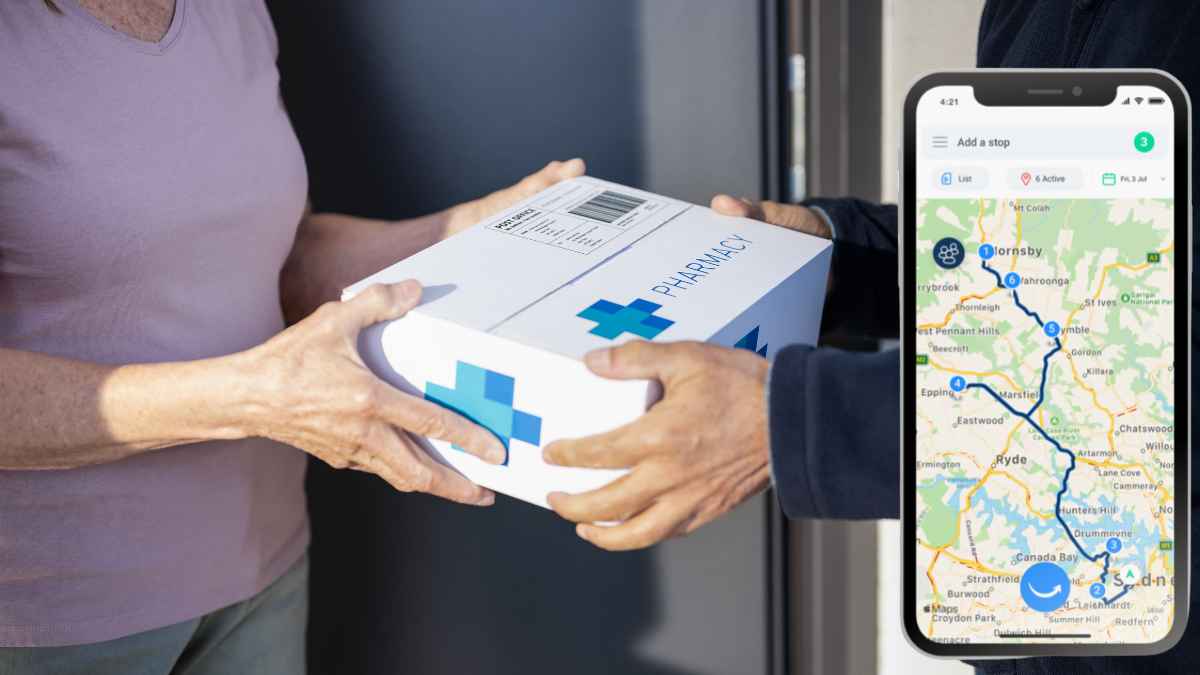
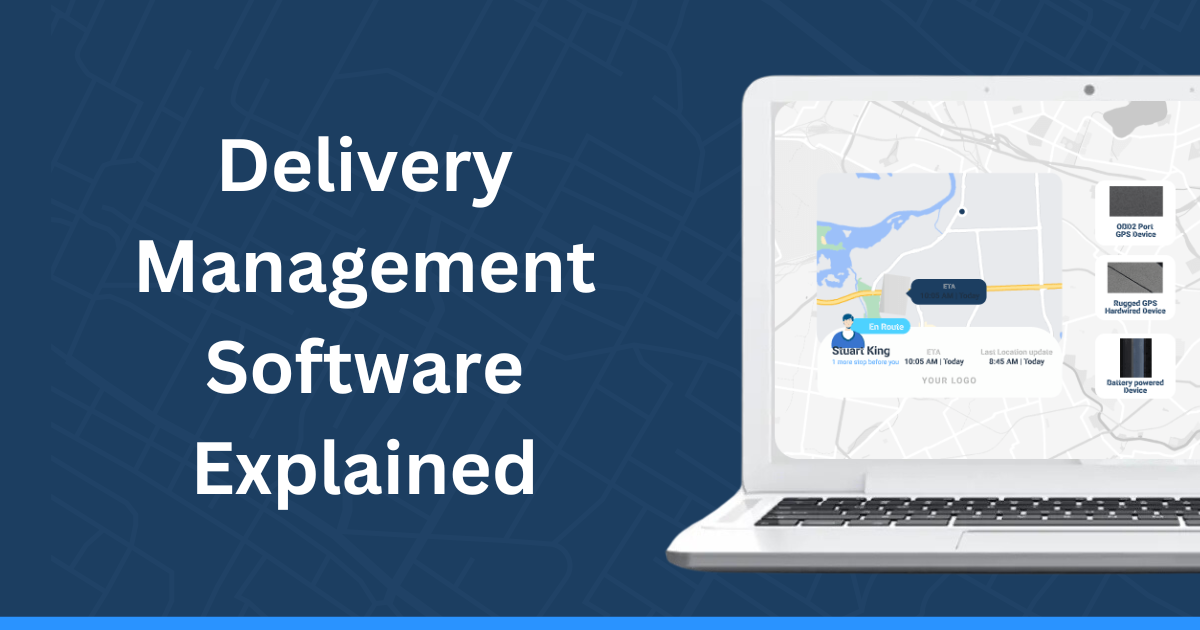
Technologies that can fix this problem include real-time tracking and delivery management software. When the customer receives regular updates, there is limited room for failed deliveries.
Getting the first attempt of delivery right also boosts your brand reputation, which is crucial for long-term customer retention.
Failed deliveries should not determine your schedules
If you have to daily change delivery shifts, with far too many missed or failed deliveries, you are doing something wrong. It’s time to make some quick changes.
Route optimization, real-time tracking, and proof of delivery can help your drivers and take the pressure off everyone with automated systems in place.
NOW READ: Route Planning: Manual vs Automated
About the author
Mia is a multi-award-winning journalist. She has more than 14 years of experience in mainstream media. She's covered many historic moments that happened in Africa and internationally. She has a strong focus on human interest stories, to bring her readers and viewers closer to the topics at hand.