Mon - Fri 24 hours

The Future of Proof of Delivery: Photos, Signatures, and Beyond

The Future of Proof of Delivery: Photos, Signatures, and Beyond

If you ship products or manage deliveries for clients, 2026 is a fresh start to get your proof of delivery sorted. This year is a great time to transition from paperwork to digital.

When stock gets damaged or goes missing, you’ll spend days trying to find the proof of payment in the piles of paperwork in your store room. So what’s the point in the first place of having POD if it’s making your life more complicated?  

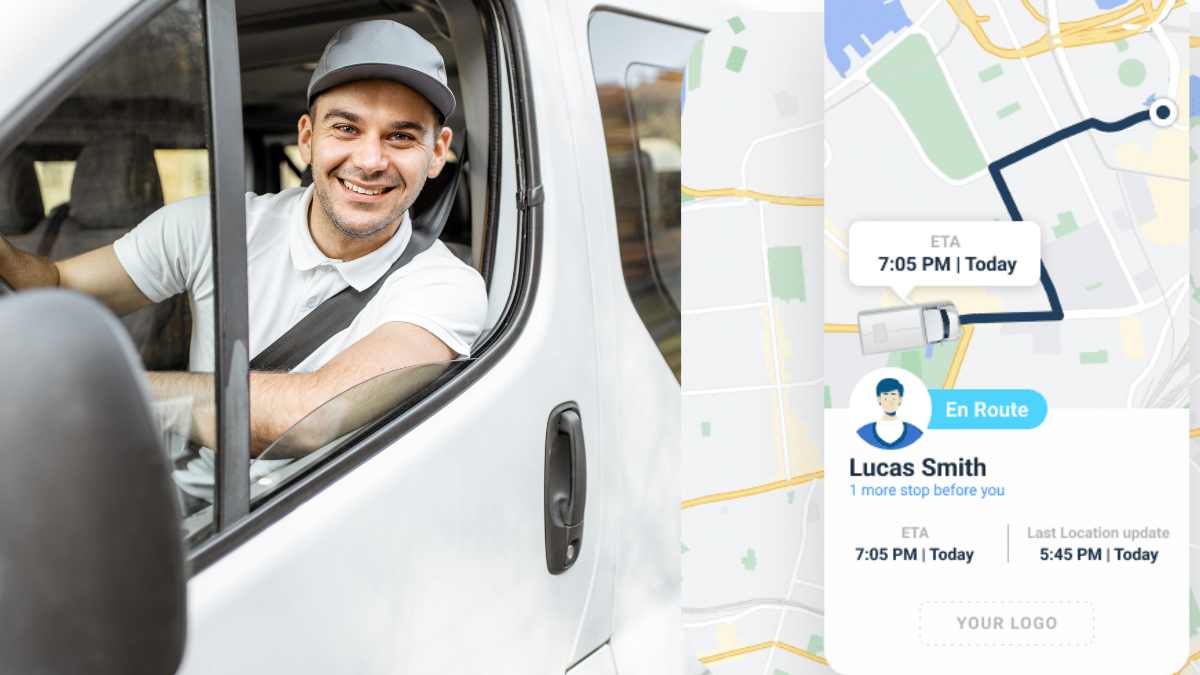
Proof of delivery isn’t just a scribble on glass anymore. It’s becoming a comprehensive bundle of evidence: photos, timestamps, GPS data, and customer confirmations, all woven into a single, clear trail.

What proof of delivery really means

Traditional proof of delivery involves a customer signing a piece of paper to signify that the delivery has been successfully completed. That’s the last thing the courier has to do. Get the paper signed, and he’s off.

However, that manual data now has to be stored somewhere at a physical address, ensuring that if a dispute arises, there is proof to challenge the customer’s claims. If you can’t find proof, it may cost you money to replace items.

Proof of delivery is the record that confirms a parcel reached the right place, at the right time, with the right handover. Traditional POD included basics like recipient name, signature, and date/time.

Modern POD often goes further. It offers:

  • delivery photos
  • GPS coordinates
  • timestamps
  • driver ID and delivery status
  • signature or contactless confirmation
  • notes for exceptions (gate locked, safe drop used, recipient unavailable)

You might wonder why this is necessary, but trust me, it can become messy if you don’t have documents to prove that you are not at fault.

The new baseline: photos, signatures, and time stamps

In 2026, you’re going to see fewer businesses relying on only one form of proof. Software are making it easier for small businesses, or large ones, to have useful information that can be kept in the cloud for when it’s really needed.

Signatures are still useful, especially for:

  • High-value items
  • B2B drop-offs
  • “Signature required” deliveries where a safe drop is not allowed.

However, a photo that isn’t captured correctly can be useless. The internet is full of blunders of couriers taking blurred photos of items, making it impossible to use.

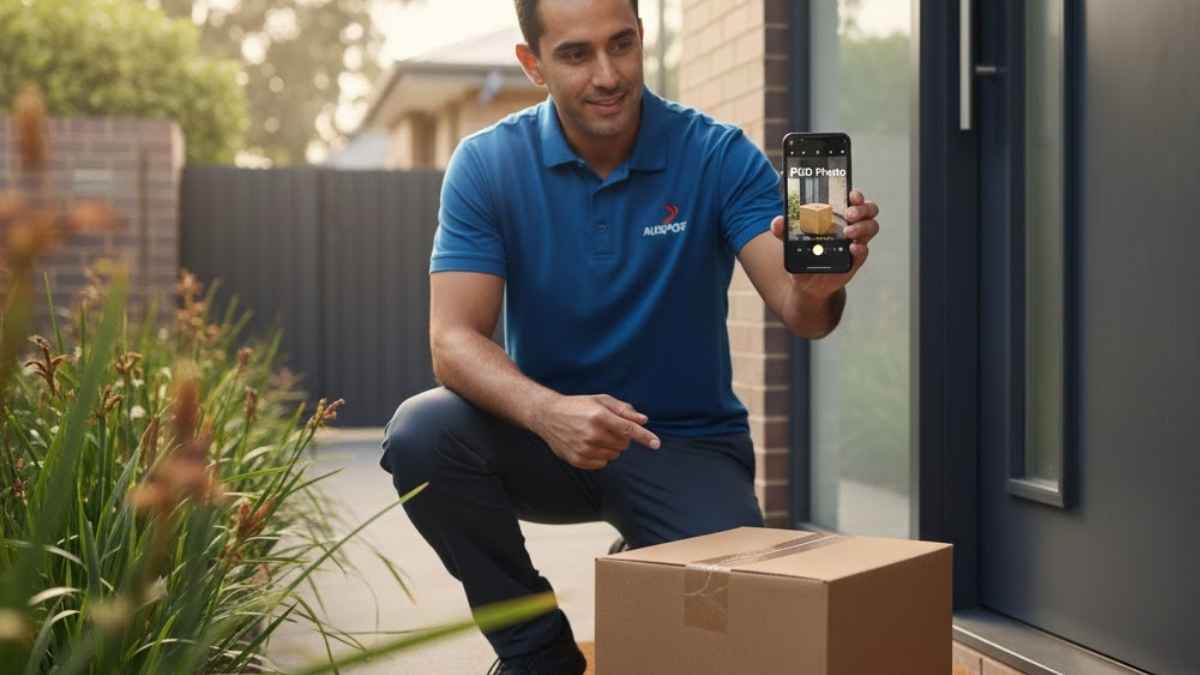
All you need is a clear couple of images to show where the parcel was left and whether it matches the address.

If you sell online, that trio turns “I swear it didn’t arrive” into “here’s the photo at your front door at 2:14pm.”

What is the future of proof of delivery?

We live in a world where people can easily challenge busineses to see how they handle and resolve disputes. But with proof of delivery helping businesses to form a watertight case, we are likely to see fewer disputes being raised in the first place.

Here are the trends you’ll see pushing POD forward through 2026:

1) Multi-factor POD becomes normal

Instead of choosing one proof type, businesses collect a small bundle of features. This could include a photo, GPS coordinates, timestamps of when it was delivered, and the recipient’s confirmation.

Industry commentary around ePOD is already pushing the idea of combining signals to create “irrefutable delivery evidence.”

This guide on how to use proof of delivery can help optimize your business.

2) Smarter exception handling

The next leap isn’t “more proof.” It’s better proof when something goes wrong. This happens more often now, as people are no longer willing to wait at home for a delivery all day.

There is a risk for busineses, if they leave the parcel on the front porch, what can happen to the parcel? However, with proof of delivery, if a driver wants to leave the area, they first need a signature and a photo of a safe drop-off.

3) Better standards and interoperability

For entrepreneurs, proof of delivery is crucial because it reduces friction as you scale. Your “delivery proof” still holds up even when you add partners, couriers, or new regions.

4) AI-assisted ‘proof checking

Some platforms are already talking about AI enhancements for ePOD and security.

The practical outcome: systems that spot suspicious patterns early, like repeat “delivered” scans with no photo, or POD captured far from the intended location.

How to choose the right proof of delivery setup for 2026

If you only take one thing from this article, take this: proof of delivery should match the risk of the delivery.

Use this quick checklist.

Low-risk deliveries

  • timestamp
  • delivery status updates
  • basic POD record

Medium-risk deliveries

  • photo POD
  • GPS + timestamp
  • recipient notification

High-risk deliveries

  • signature required
  • photo POD
  • GPS + timestamp
  • ID/notes (where relevant)
  • clear exception workflow

About the author

Mia Lindeque

Mia is a multi-award-winning journalist. She has more than 14 years of experience in mainstream media. She's covered many historic moments that happened in Africa and internationally. She has a strong focus on human interest stories, to bring her readers and viewers closer to the topics at hand.

Locate2u

Your message has been sent.

Someone from our support team will reply to your inquiry within 24 hours.

Capterra Pixel