Mon - Fri 24 hours

Route Optimization Myths Small Business Owners Still Believe

Route Optimization Myths Small Business Owners Still Believe

Every day, myths about route optimization keep many small business owners stuck with the same clunky process of using whiteboards and spreadsheets. 

“Mark knows the suburbs,” is what you often hear. But does Mark know there will be a massive traffic jam in the next 15 minutes due to an accident that has not yet occurred? 

You can’t waste time. Time is money, and last-mile delivery now eats up more than half of total shipping costs.

This guide breaks down the most common myths about route optimization that small business owners still believe. You’ll also find out what’s actually true if you’re running a delivery operation with a handful of vehicles or a growing fleet.

What route optimization really is

Route optimization is simply using software to plan the smartest possible sequence of stops for your drivers, and it’s based on:

  • Traffic and travel time
  • Customer time windows
  • Vehicle size and capacity
  • Driver start or finish times
  • Live changes during the day (cancellations, new orders, delays)

If you do it properly, route optimization and route planning software can help cut drive time and fuel costs while also keeping more drivers on time for their next delivery.

Route optimization myths that small business owners still believe

Myth 1: “Route optimization software is only for big fleets.”

If you’re doing more than a handful of deliveries a day, you’re already doing route planning, but (sorry to say) you’re just doing it the hard way.

Believing the myth that route optimization is only for big fleets can be a big time-waster. You or a dispatcher are still drawing routes on a map, shuffling addresses in a spreadsheet. 

The driver might even complain about criss-crossing suburbs, and you probably have to cancel some orders just to keep on track with the existing orders. 

Fleets consisting of 2-20 vans on the road are exactly the size for which business route optimization was built. 

Myth 2: “My drivers know the area – they don’t need software”

Of course, your drivers know their routes, and that knowledge is gold. However the problem is that local knowledge doesn’t scale when you add new drivers, open new zones, or reshuffle routes mid-way. 

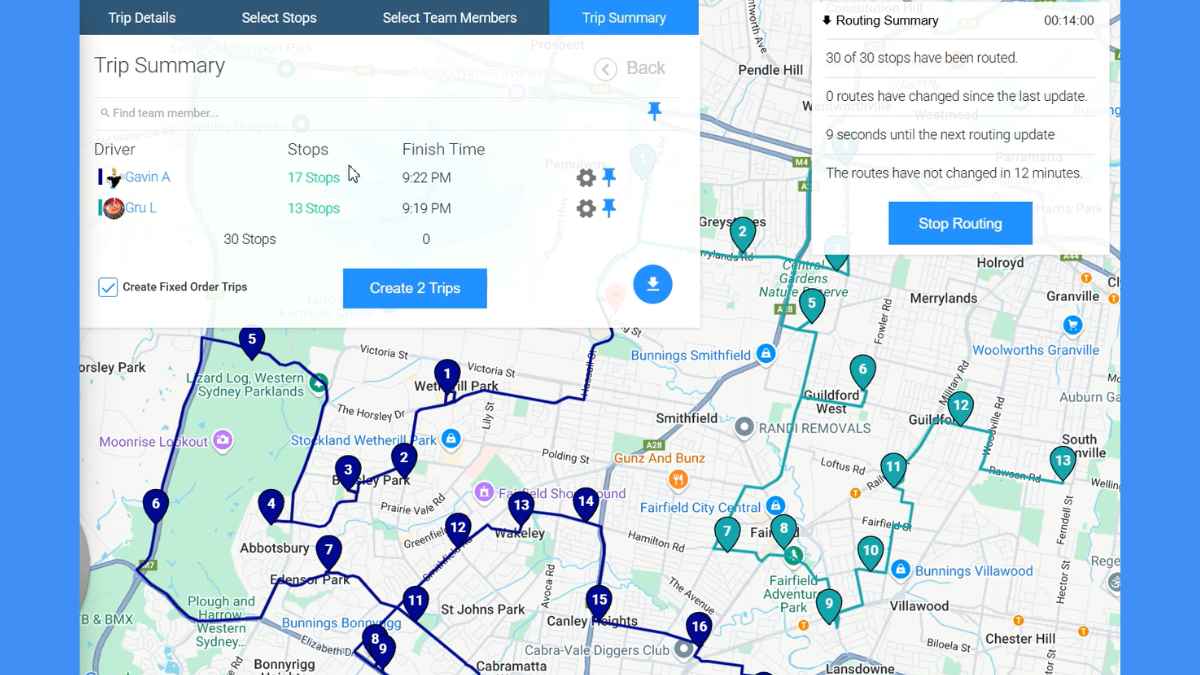
Route optimization software provides the most efficient sequence of 40+ stops, distributes fair workloads across the teams and maintains a clear record of who went where, and when. 

Modern route optimization (with the Aussie spelling too) combines your drivers’ experience with data. 

Here’s how it works. 

  • It checks live traffic.
  • It respects delivery windows.
  • It balances workloads so one driver isn’t smashed while another finishes at 2 pm.

Myth 3: “Spreadsheets and Google Maps work fine for us.”

Yes, that’s fine, but they are almost definitely hiding costs that you can’t see now. 

It roughly takes just over an hour a day for a person to manually plan the routes for the next day. But what if there is a change in plans?  A VIP customer needs an urgent delivery in the morning. 

You can’t re-plan on the fly when customers call for urgent requests. There is also no clear visibility into how many extra kilometers you are driving following the inefficient routes. 

With route optimization software, you could be calling key customers, improving your pick-and-pack process, and even fixing recurring delivery issues. 

Route optimization tools automate tasks such as stop sequencing, zone allocation, driver manifests, navigation, and live ETA updates.

Myth 4: “Route optimization software is too expensive and complicated.”

Maybe a decade ago, this was fair. However, route optimization software has become more affordable and tailored to meet each business’s specific needs.

These days, there are tools for small businesses to make it affordable while also allowing for scaling when the time presents itself. 

Subscription-based accounts allow users to pay per vehicle or per user. There are no massive upfront costs involved; you can also try out the software first  and see if you like it before buying any package. 

The software works with everyday apps on mobile devices, making it user-friendly, regardless of your tech skills. That means there is no need for installations and difficult onboarding sessions with the team every month. 

Myth 5: “Route optimization is just about the shortest distance.”

If only it were that easy. However, it’s not, and that makes it all the more impressive that the technology takes all these factors into account when planning the most efficient route. 

Like they often say in the industry, the shortest distance isn’t always the best route for your business or your customers. 

This is what a good route optimization engine factors in:

  • Time windows (e.g. “deliver between 10:00–12:00”)
  • Service times at each stop (installations vs simple drop-offs)
  • Vehicle constraints (refrigerated, tail-lift, bike vs van)
  • Driver hours and breaks

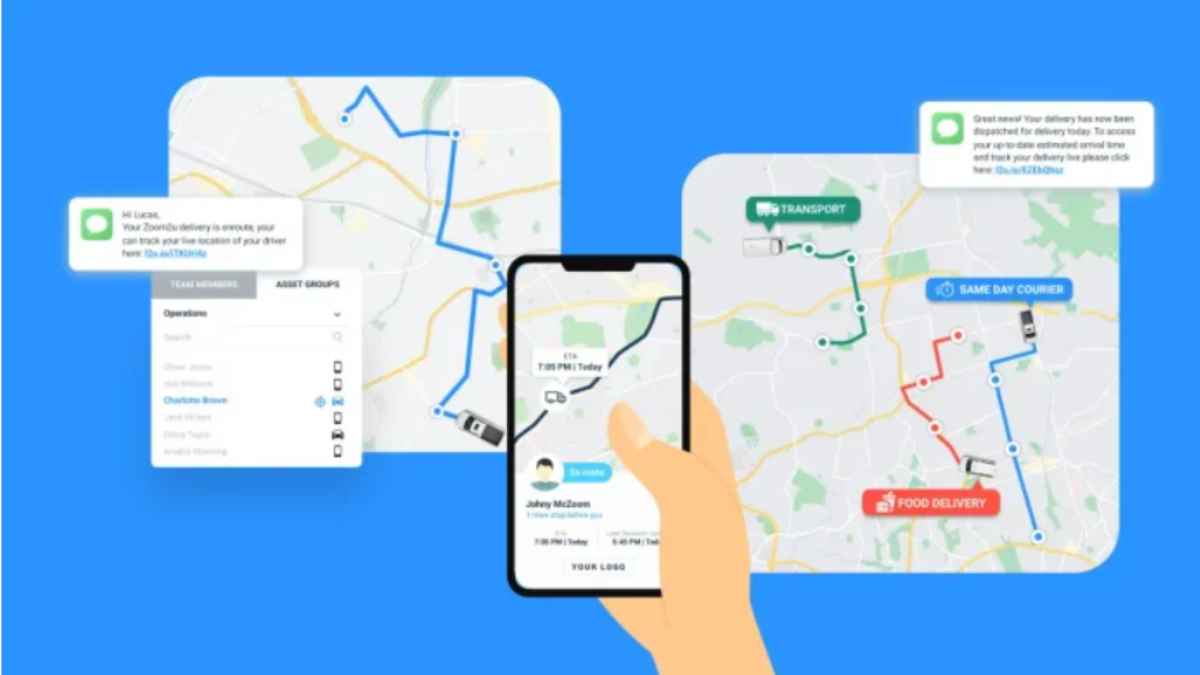
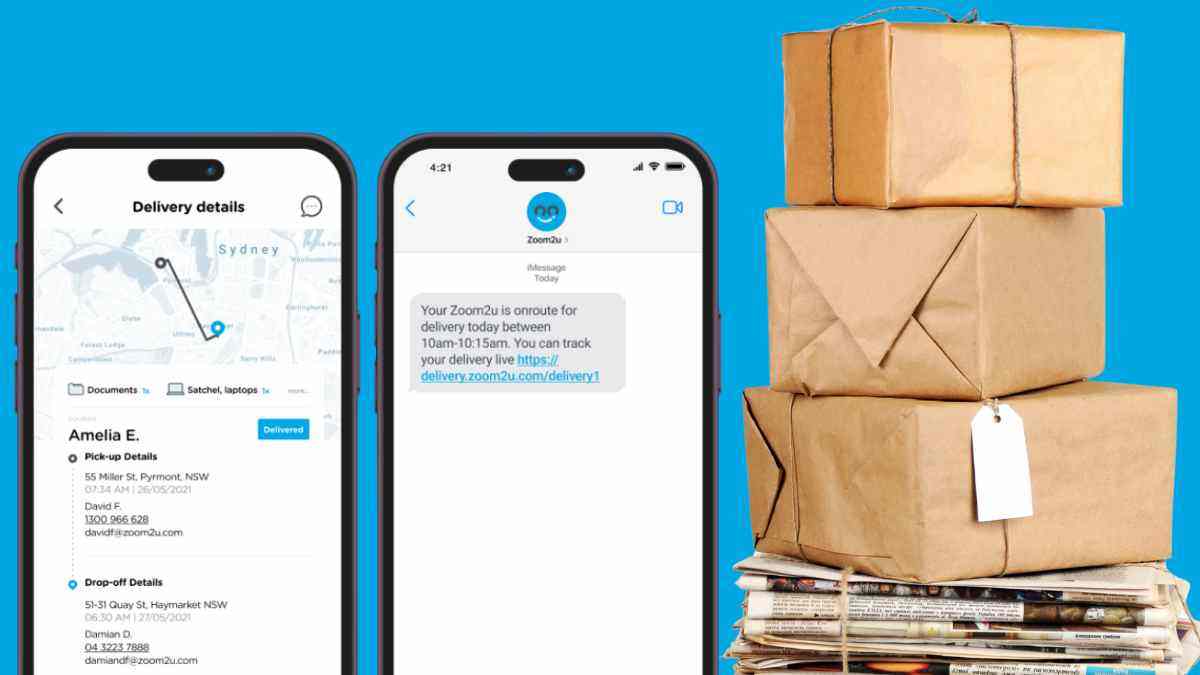
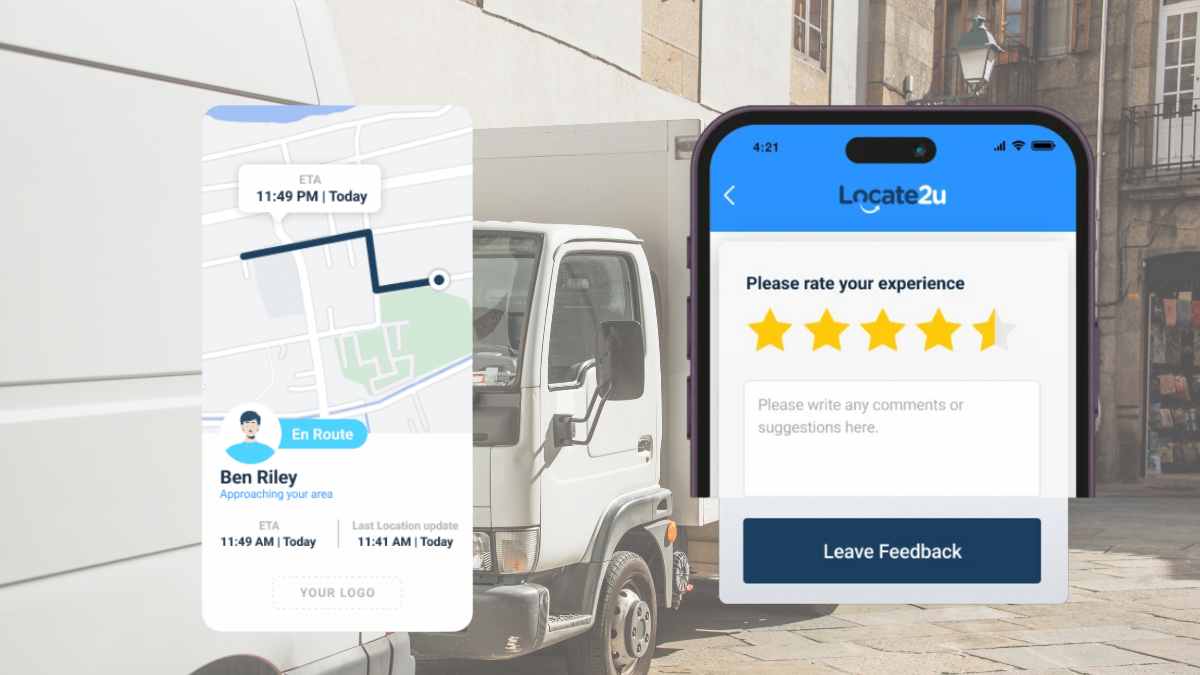
Customers want their parcels to arrive on time, and they want to track them all the way. Instant delivery is on the rise in Australia, with customers demanding a live tracking link to follow their parcel. 

With route optimization, e-commerce businesses hit the promised delivery window every time, keeping ETAs accurate and reducing the failed delivery rate. 

How to start fixing your routes this month

You don’t need a huge transformation project to start fixing the problem today. But the best is to start small and practical. 

1. Audit your current planning and delivery costs

For one week, track how long you spend on manually planning the routes every evening, how many times you call drivers for update,s and how many disputes customers log because they are frustrated. 

Next, you pull a sample of the delivery days and estimate the total kilometers driven by the driver, the overtime hours spent on the road, and the failed deliveries that had to be re-delivered. 

This is your before picture before you started experimenting with route optimization software. 

2. Test route optimization on one vehicle or route

To test if route optimization will help your business, we’ll have to run another test. This time, choose one recurring run, such as an example of metro deliveries, or a recurring service route. Then, export those stops into a CSV file. 

We will now test them using a route software tool. Use the SSA trial route optimization software system and compare the following with your usual manual routes:

  • Total distance
  • Estimated finish time
  • How balanced the workload feels to the driver

You should be seeing fewer kilometers, earlier finishes and fewer complaints with the routes.

About the author

Mia Lindeque

Mia is a multi-award-winning journalist. She has more than 14 years of experience in mainstream media. She's covered many historic moments that happened in Africa and internationally. She has a strong focus on human interest stories, to bring her readers and viewers closer to the topics at hand.

Locate2u

Your message has been sent.

Someone from our support team will reply to your inquiry within 24 hours.

Capterra Pixel