Mon - Fri 24 hours

How Smart Teams Improve Last-Mile Delivery Without Adding More Vehicles

last-mile delivery
last-mile delivery

Every last-mile delivery team eventually hits the same wall. The orders keep increasing, but the fleet doesn’t. And then even the first instinct is always the same: hire more drivers, buy more vans.

But that’s not always the lever that actually moves the needle.

In practice, most of the gains come from how teams plan and load the vehicles they already have. 

Better last-mile without more vehicles

I’ve seen businesses cut kilometers without adding a single new vehicle.

As Locate2u CEO Steve Orenstein says in his book, Delivery: Why Changing Your Delivery System Will Be The Best Business Decision You Ever Make:

“The technology exists today to do deliveries efficiently and well, we don’t need all those extra hours of vehicles on the road.”

Here’s how smart teams get more out of the same fleet.

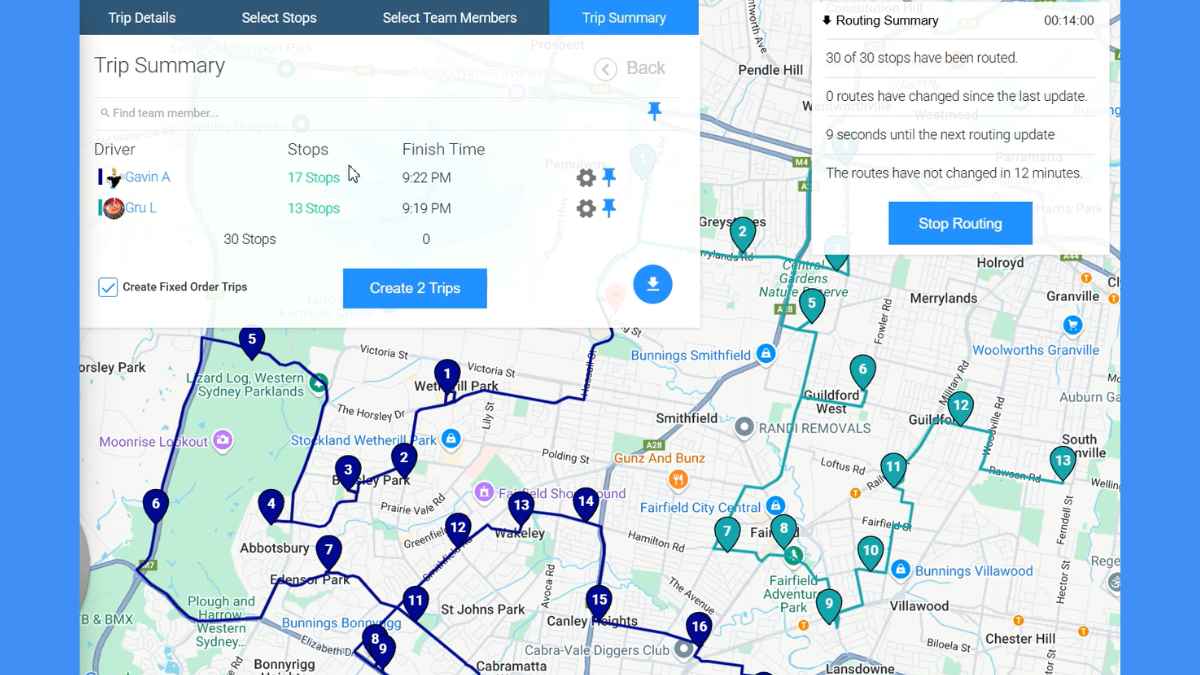
1. Use route optimization to do more with what you have

Most teams underestimate just how much time their drivers lose on detours that could easily be avoided. 

I’ve seen drivers cover an entire suburb twice because two nearby stops were booked hours apart. It’s not intentional, and it’s not really anybody’s fault; it’s just what happens when routes are planned manually.

AI Route Optimization vs Traditional Routing: What’s the Real Impact on Your Fleet?

Route optimization fixes that and cuts wasted kilometers by grouping stops in smarter clusters, adjusting for traffic, delivery windows, capacity, and priority. 

Most teams even see a 10 to 25% reduction in total distance because the system removes the zig-zags we don’t even realize we are making.

That’s why teams see higher throughput without expanding their fleets.

2. Tighten those delivery windows

Wide delivery windows might feel safe for planning, but it will only create absolute chaos on the road. 

You don’t want everything vaguely booked between 9 AM and 5 PM because then drivers end up criss-crossing the city with no rhyme or reason.

Shorter, more accurate delivery windows will change that, as they give dispatchers a structure while also keeping customers happier. 

Absolutely no one wants to wait around all day for a parcel. They want to know it’s going to be delivered between 1 PM and 2 PM. 

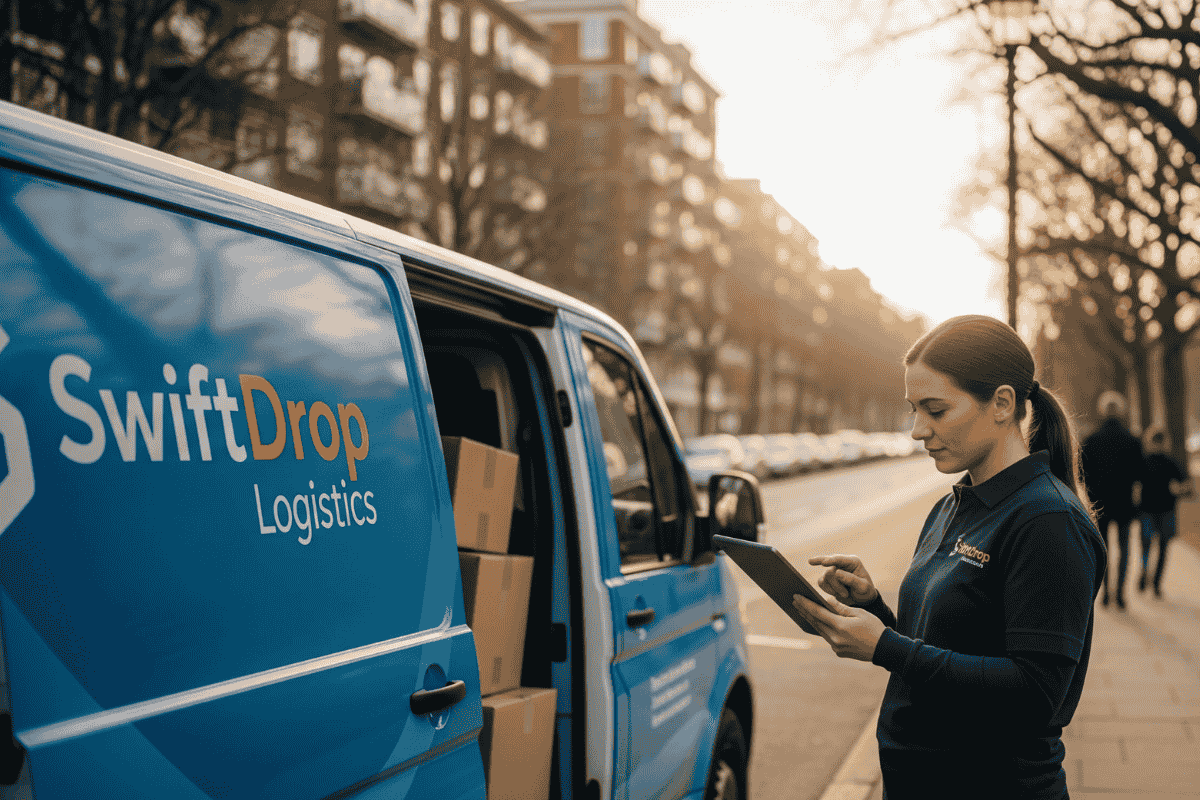
parcel delivery
Image: Gemini Imagen

This one change alone could cut a big chunk of failed first attempts. And that brings us to the next part. 

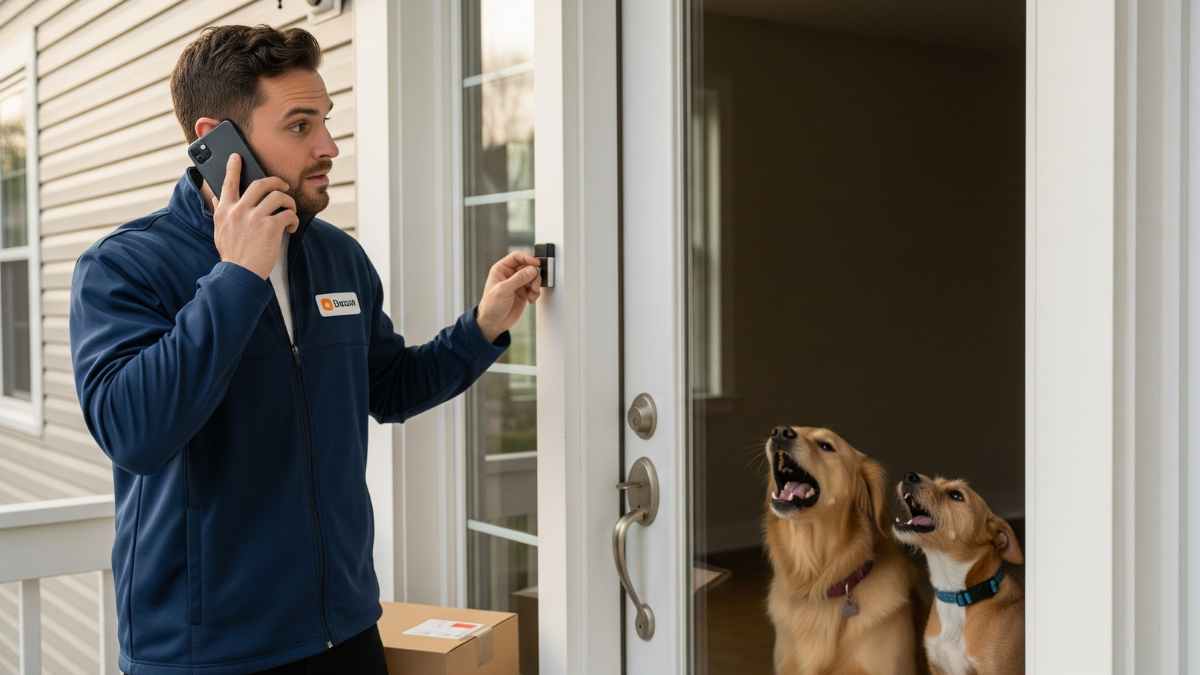
3. Stop failed deliveries before they even happen

It doesn’t take anything dramatic to go wrong for a failed delivery to happen. It is almost always the simple stuff: 

  • a missing gate code, 
  • the wrong unit number, 
  • a customer who didn’t see the ETA update. 

Believe it or not, the fix to this actually starts at the booking stage. Make sure you get accurate information at that stage, and your team will have fewer wasted trips. 

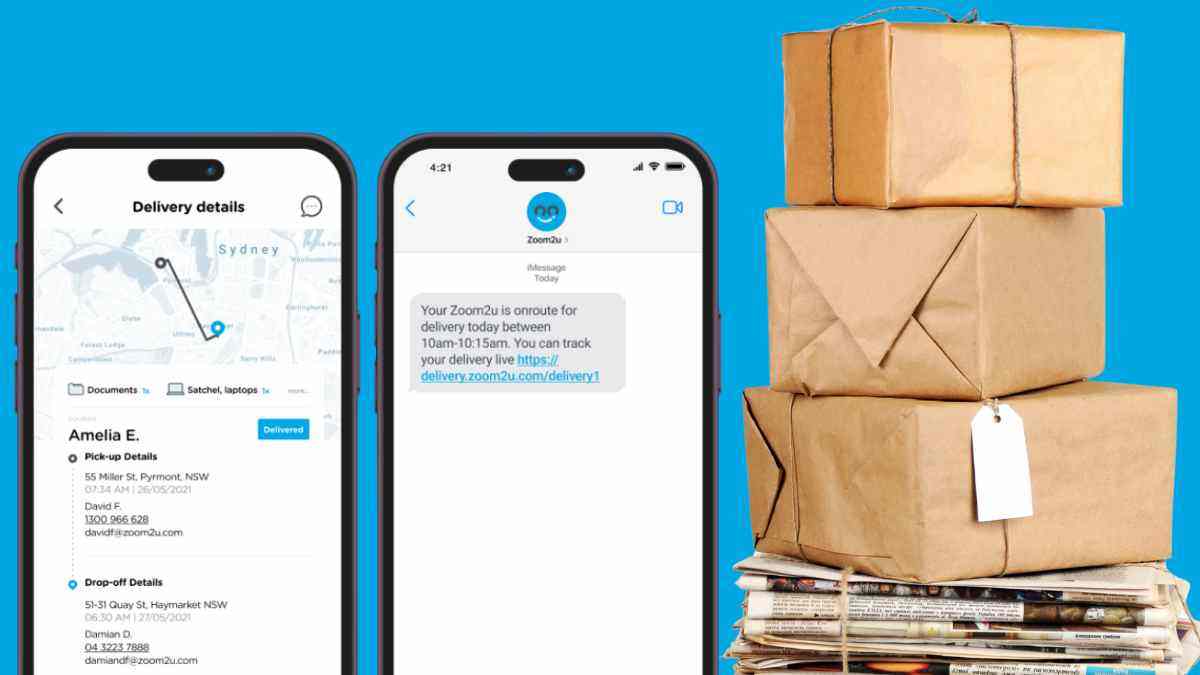
We’ve seen businesses cut their re-delivery rate with nothing more than better notes and consistent notifications. Really.

Remember this golden rule: Every first attempt you save is one less vehicle you need on the road that day.

last mile delivery vehicle
Image: Gemini Imagen

ALSO READ: Vehicle Route Optimization: Why Smarter Routing Saves Time, Money, and Customers

4. Optimize vehicle capacity and loading

A half-full van is a hidden cost you don’t need. Simple as that. 

When a vehicle is not loaded to its capacity, it means more runs, more drivers, and obviously more fuel wasted. 

Teams fix this by reviewing their peak days and volume trends, which can help balance loads better across the entire fleet. 

A well-packed van can handle far more stops than most people assume, often without adding a single extra vehicle.

5. Trust the data!

Delivery data is the easiest lever to ignore and the fastest lever to fix your last-mile. And it only has to take a quick 15-minute review every week. 

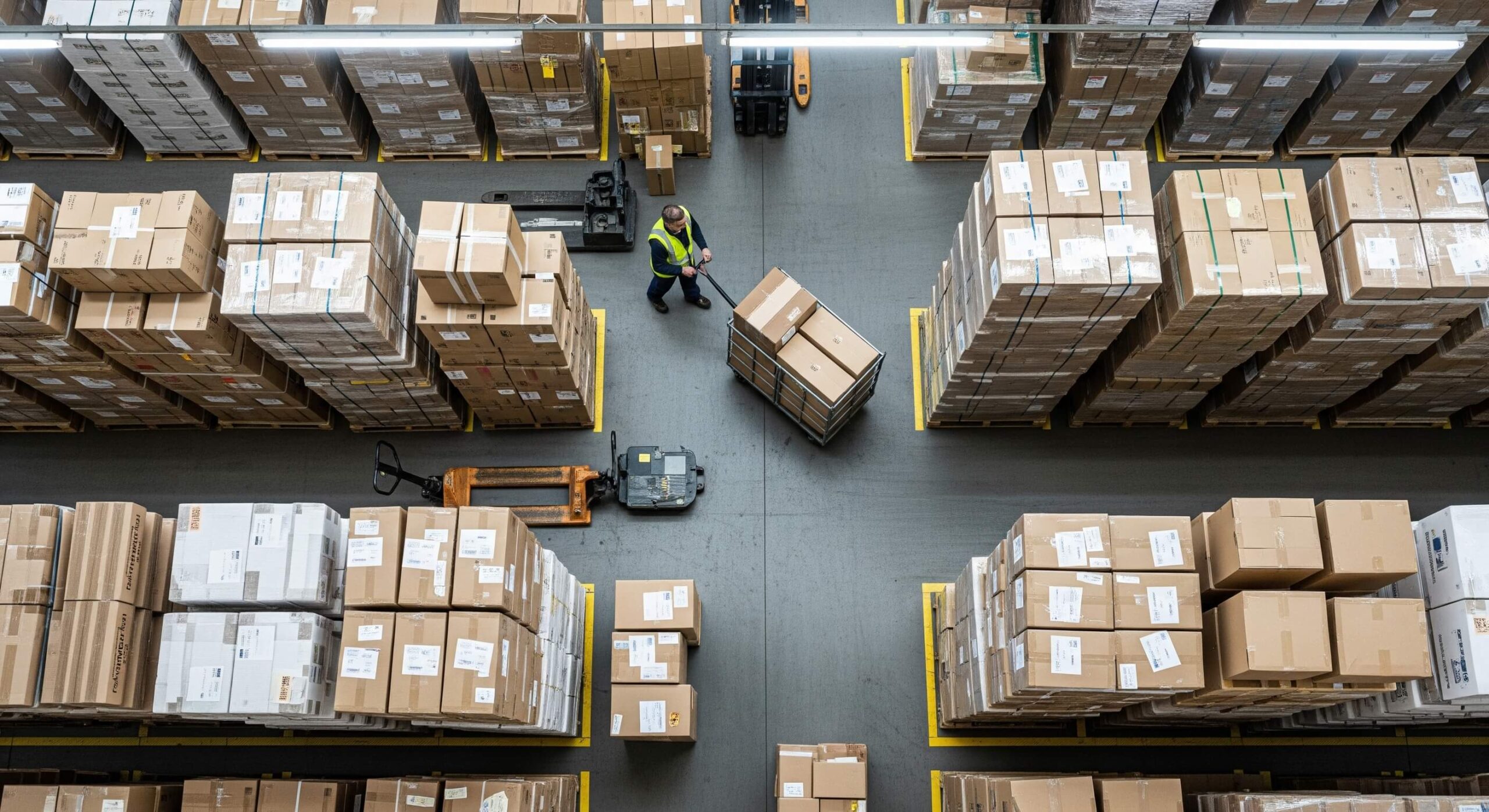
last mile delivery fleet
You don’t need to expand your fleet. You just need better planning. Image: Gemini Imagen

Teams that review idling time, suburb overlap, driver delays, or first-attempt failures can easily spot all the inefficiencies. 

We’ve seen businesses shave 20 to 40 minutes off a driver’s day simply by shifting one suburb to a more practical route. 

Sometimes you might not even realize that three vehicles are going into the same region at the same time, when one would have been more than sufficient for that route. 

Bonus: The tech that brings it all together

Visibility can become your biggest advantage when improving the last mile without growing your fleet unnecessarily.

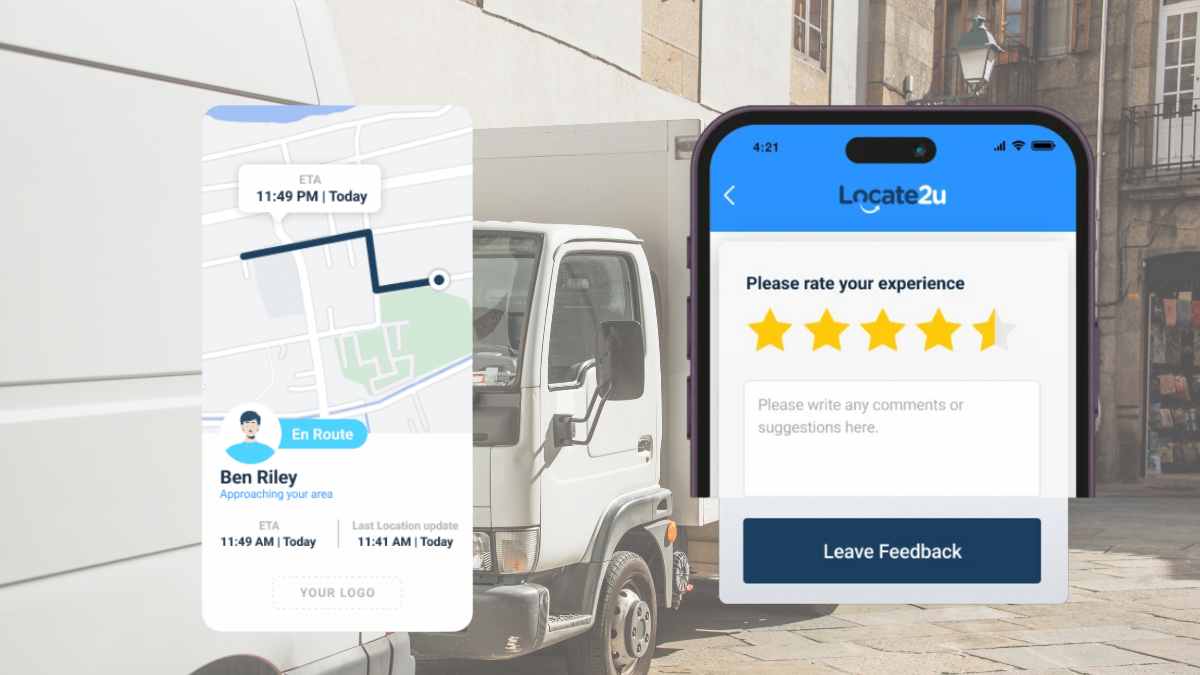
You just need to know where your drivers are and what’s slowing them down. And of course, whether customers are ready when you arrive.

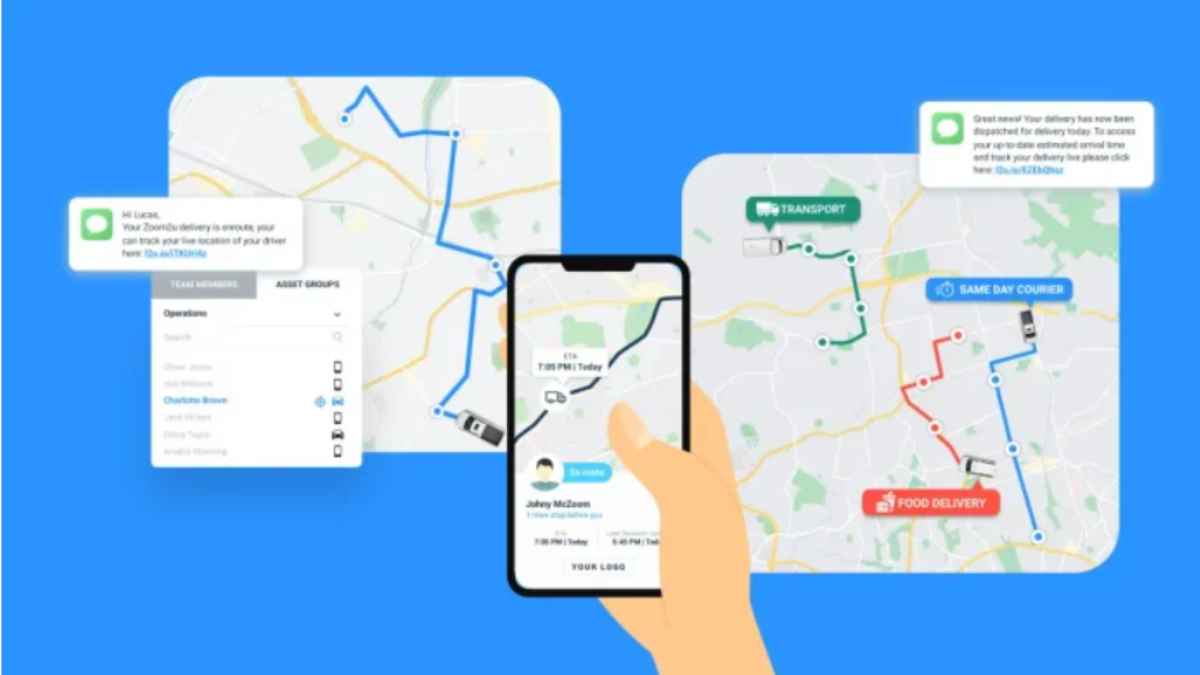
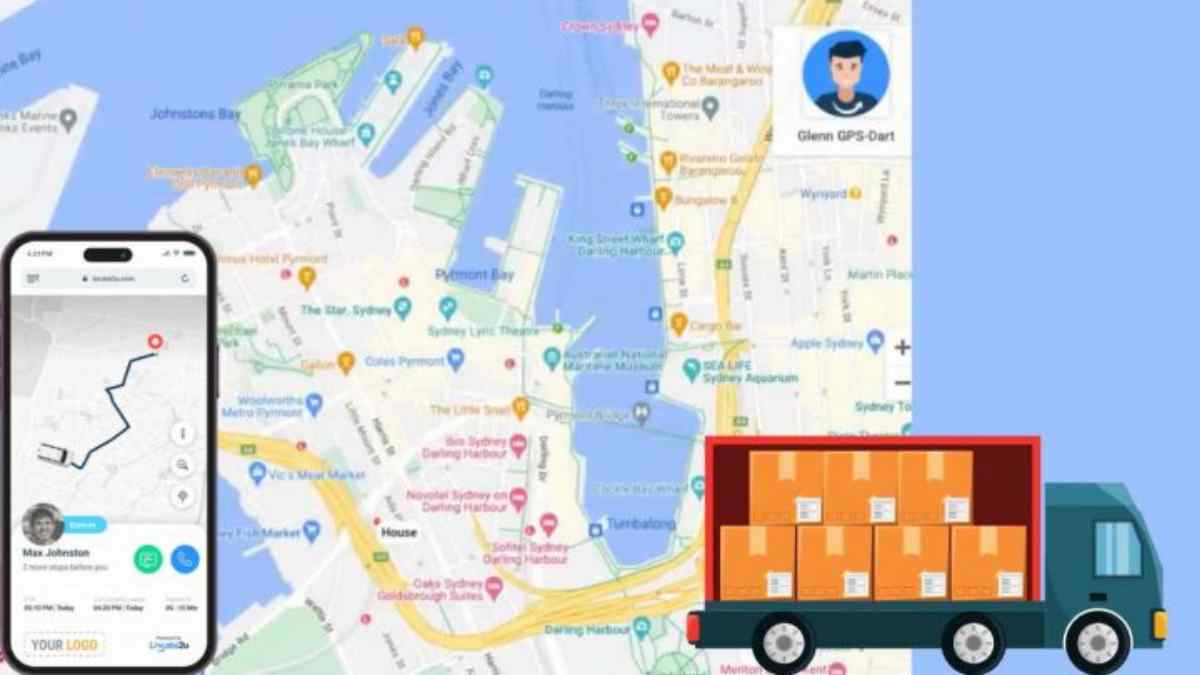
This can be done with route optimization software and features like live GPS tracking and digital proof of delivery

proof of delivery
Image: Gemini Imagen

“The solution is route optimisation software,” says Orenstein. “With this software you can say, ‘I’ve got 10,000 parcels to deliver, what’s the most efficient way to deliver them?'”

TL;DR: Improving the last-mile without more vehicles

Most last-mile problems aren’t really fleet problems, even when your first thought is to buy more vehicles. 

It is actually just a planning problem. One that can easily be solved when the vehicles you already have are running at full efficiency. 

If you can provide better routes for your drivers, you’ll have fewer repeat trips. And that means fewer vans on the road!

That’s how many teams scale without expanding their fleet.

About the author

Locate2u author, Cheryl Kahla

Cheryl has contributed to various international publications, with a fervor for data and technology. She explores the intersection of emerging tech trends with logistics, focusing on how digital innovations are reshaping industries on a global scale. When she's not dissecting the latest developments in AI-driven innovation and digital solutions, Cheryl can be found gaming, kickboxing, or navigating the novel niches of consumer gadgetry.

Locate2u

Your message has been sent.

Someone from our support team will reply to your inquiry within 24 hours.

Capterra Pixel