How to Reduce Fleet Fuel Costs: 6 Strategies
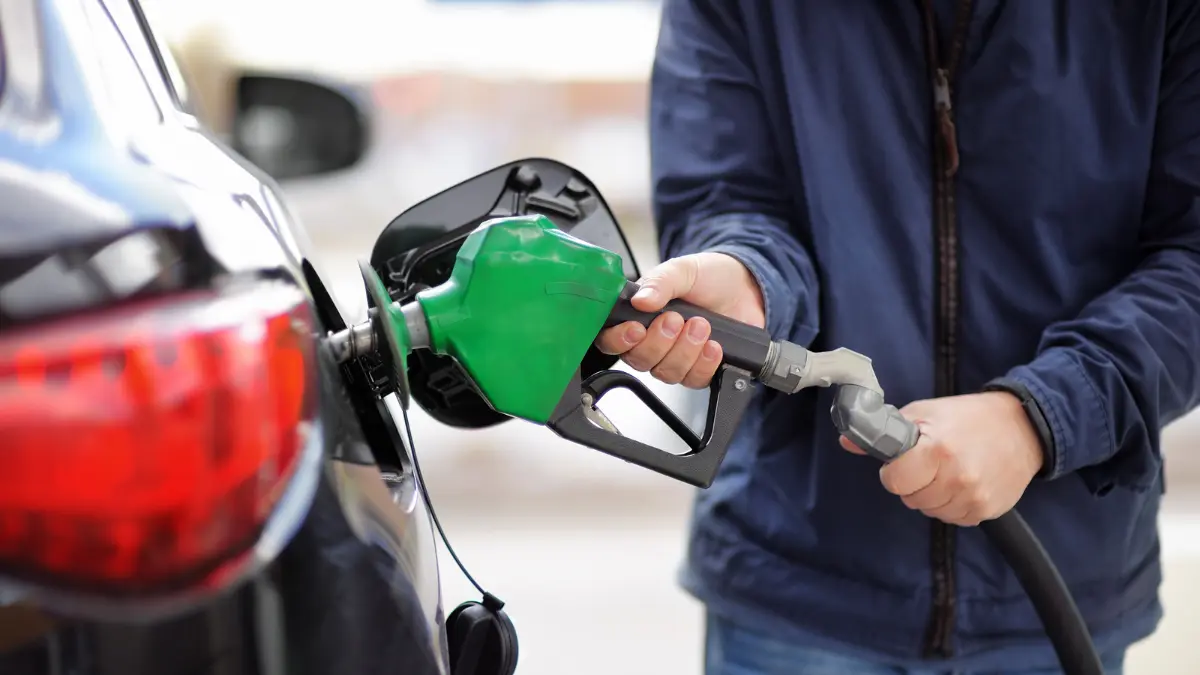
Fuel remains one of the largest and most volatile operating expenses for delivery and fleet-based businesses. In 2026, with fuel prices continuing to fluctuate and environmental regulations tightening, finding ways to reduce fuel consumption is not just a cost-saving measure. It is a business survival strategy.
The good news is that significant fuel savings are achievable with the right combination of technology, maintenance, and driver management. Here are proven strategies that can help your business reduce fuel costs without compromising delivery performance.
1. Plan Efficient Routes
Route planning is the single most impactful lever you have for reducing fuel consumption. The difference between a manually planned route and an algorithmically optimized one can be dramatic.
When you plan routes manually, you are limited by what you can hold in your head. You might know the general geography of your service area, but you cannot simultaneously process traffic patterns, delivery time windows, vehicle capacity, driver locations, and the optimal sequence of dozens of stops. Route optimization software can.
Here is what efficient route planning delivers:
- Shorter total distance: The algorithm sequences stops to minimize overall kilometers traveled, eliminating backtracking and unnecessary detours.
- Less time in traffic: By factoring in real-time and historical traffic data, the software routes drivers around congestion points, reducing idle time where fuel is burned with zero productive output.
- Tighter delivery clusters: The system groups nearby deliveries together, so drivers spend more time making stops and less time traveling between them.
- Dynamic rerouting: When conditions change during the day, such as road closures or unexpected traffic, the system recalculates the best route immediately. Your drivers are never stuck in avoidable congestion.
2. Monitor Driver Behavior
How your drivers operate their vehicles has a direct and measurable impact on fuel consumption. According to the U.S. Department of Energy, aggressive driving (speeding, rapid acceleration and braking) can lower gas mileage by roughly 15% to 30% at highway speeds and 10% to 40% in stop-and-go traffic.
The key behaviors to monitor include:
- Harsh acceleration: Rapid acceleration burns significantly more fuel than gradual speed increases. Frequent heavy acceleration, especially from stops, is one of the biggest fuel wasters.
- Hard braking: Sudden braking followed by re-acceleration wastes the energy that was used to build speed. Smooth, anticipatory driving maintains momentum and reduces fuel consumption.
- Excessive idling: An idling engine burns fuel without covering any distance. Extended idle times during loading, waiting, or breaks add up quickly across a fleet.
- Speeding: Fuel efficiency drops significantly above optimal highway speeds. The U.S. Department of Energy notes that gas mileage usually decreases rapidly at speeds above 50 mph (about 80 km/h). Over the course of a year, consistent speeding across a fleet adds up to a lot of unnecessary fuel expense.
- Unnecessary detours: Drivers who deviate from their assigned routes for personal stops or preferred roads add kilometers and fuel cost to every shift.
Real-time tracking software gives you visibility into all of these behaviors. You can identify which drivers need additional training and coaching, and you can track improvements over time. Many businesses find that simply making driver behavior data visible leads to immediate improvements, because drivers naturally adjust when they know their habits are being monitored. See how Containers for Change manages community recycling at scale with Locate2u.
3. Maintain Vehicles on a Strict Schedule
A poorly maintained vehicle is an inefficient vehicle. Small maintenance issues that seem insignificant individually can compound into substantial fuel waste across your fleet.
Priority maintenance items for fuel efficiency include:
- Tire pressure: Under-inflated tires increase rolling resistance, which forces the engine to work harder. Keeping tires inflated to the proper pressure can improve gas mileage by up to 3% in some cases. For a fleet, this is one of the easiest and cheapest improvements you can make.
- Engine oil: Using the manufacturer-recommended oil grade and changing it on schedule reduces engine friction. Using the wrong grade of motor oil can lower gas mileage by 1% to 2%.
- Air filters: A clogged air filter restricts airflow to the engine, reducing combustion efficiency. On older vehicles, replacing a clogged air filter can improve both fuel economy and acceleration.
- Spark plugs and ignition system: Worn spark plugs cause incomplete combustion, wasting fuel. Regular replacement according to the manufacturer's schedule keeps your engine running efficiently.
- Wheel alignment: Misaligned wheels create drag, forcing the engine to use more fuel to maintain speed. Regular alignment checks, especially after hitting potholes or curbs, prevent this hidden fuel drain.
Implement a preventive maintenance schedule and track compliance rigorously. The small cost of regular servicing is a fraction of the fuel savings and avoided breakdowns it delivers.
4. Reduce Unnecessary Air Conditioning Use
Air conditioning places a significant load on the engine, and that load translates directly to increased fuel consumption. Under very hot conditions, AC use can reduce a conventional vehicle's fuel economy by more than 25%, particularly on short trips, according to the U.S. Department of Energy.
Practical strategies to manage A/C use include:
- Pre-cool when possible: If vehicles are parked in the sun, open windows for the first few minutes of driving to vent hot air before switching on the A/C. This reduces the initial cooling load significantly.
- Use recirculation mode: Once the cabin is cool, switching to recirculation mode reduces the energy needed to maintain the temperature because the system is cooling already-cool air rather than hot outside air.
- Park in shade: Whenever possible, park vehicles in shaded areas to reduce cabin temperatures and the cooling effort required when driving resumes.
- Set reasonable temperatures: Running the A/C at the lowest possible setting consumes far more fuel than a moderate setting. A cabin temperature of 22-24 degrees Celsius is comfortable without excessive energy demand.
Obviously, driver comfort and safety come first. In extreme heat, air conditioning is a necessity, not a luxury. The goal is to use it efficiently, not to eliminate it entirely.
5. Choose the Right Vehicles for Your Fleet
Vehicle selection is a long-term decision that affects fuel costs for years. When adding to or replacing vehicles in your fleet, fuel efficiency should be a primary consideration alongside cargo capacity and reliability.
Factors to evaluate include:
- Fuel consumption ratings: Compare the published fuel consumption figures for vehicles in the class you need. Even small differences in liters per 100 kilometers become significant over tens of thousands of annual kilometers.
- Right-sizing: Do not use a large van for deliveries that could be handled by a smaller vehicle. Larger vehicles consume more fuel regardless of how full they are. Match vehicle size to typical load requirements.
- Electric and hybrid options: Electric vehicles have dramatically lower per-kilometer running costs than gas or diesel vehicles. In 2026, the range and charging infrastructure for electric delivery vehicles have improved to the point where they are viable for many urban and suburban delivery operations.
- Total cost of ownership: A vehicle with a lower purchase price but poor fuel economy may cost more over its lifetime than a slightly more expensive, fuel-efficient alternative. Always calculate the total cost including fuel, maintenance, insurance, and depreciation.
6. Research Where to Find the Cheapest Fuel
Fuel prices can vary significantly between stations, even within the same suburb. For a fleet that refuels regularly, consistently choosing the cheapest available option adds up to meaningful savings over the course of a year.
Strategies for smarter fuel purchasing include:
- Use fuel price comparison apps to identify the cheapest stations along your drivers' routes
- Establish accounts with fuel card providers that offer discounts or rebates for fleet purchases
- Time purchases to take advantage of weekly price cycles, which are predictable in many markets
- Consider negotiating volume discounts with a preferred fuel supplier if your fleet consumption is large enough
Cut Down Fuel Costs With Locate2u
Locate2u is fleet management software that directly addresses the two biggest drivers of fuel cost: route efficiency and driver behavior. Route optimization builds shorter, smarter routes that reduce total distance and time on the road. Real-time GPS tracking gives you visibility into how drivers are operating their vehicles, so you can identify inefficient habits and coach improvements.
Combined with consistent vehicle maintenance and smart fleet decisions, Locate2u helps delivery businesses reduce fuel costs while improving delivery performance.
Related Articles
Real-Time Tracking Myths That Hold Fleets Back
Three real-time tracking myths debunked: that it is surveillance, too costly to set up, or unreliable, plus a practical plan to roll tracking out to your fleet.
8 Ways to Cut Fleet Maintenance Costs
Eight ways fleet management software cuts maintenance costs, from predictive maintenance alerts and route optimization to driver monitoring and training.
5 Ways Fleet Management Software Cuts Fuel Use
How fleet management software improves fuel efficiency through smarter routes, driver behavior coaching, less idling, preventative maintenance and telematics.